
Commercial Roof Maintenance That Prevents Costly Repairs
Roof problems rarely appear overnight. They build slowly, layer by layer, until one day a small issue turns into a real disruption. That’s exactly why roof maintenance exists it’s not about reacting to damage, it’s about staying ahead of it.
For commercial buildings, especially in places where heat, storms, and heavy rain are part of the yearly cycle, maintenance isn’t optional. It’s what keeps a roof doing its job without surprises.
Frontline Commercial works with property owners and facility managers who want fewer emergencies and more control over long-term roofing costs. Maintenance is the simplest way to get there.
Let’s break down what roof maintenance actually involves, why it matters, and what happens when it gets ignored.
Get A Free Quote
Why Roof Maintenance Matters More Than Most People Think
A commercial roof is constantly working. It expands in the heat, contracts at night, takes impact from wind-driven rain, and handles water flow every time it storms. Over time, that constant stress adds up.
Without proper attention, we see how small issues quietly build into bigger ones. We deal with heat fatigue in materials, early seam separation, drainage slowdowns, and surface wear that doesn’t look serious at first but grows over time.
Without maintenance, small issues go unnoticed:
- A seam starts to lift slightly
- Drainage slows down but doesn’t fully block
- Protective coatings begin to wear thin
- Fasteners loosen gradually
- Minor punctures go unseen
None of these seem urgent on their own. But together, they create the conditions for leaks, insulation damage, and costly repairs. Maintenance is what catches these issues while they’re still manageable.
What Regular Roof Maintenance Actually Includes
Good maintenance is structured. It’s not just a quick look from the ground or a surface-level walk. A proper maintenance visit usually covers:
Full roof inspection
Every maintenance program starts with a detailed inspection of the entire roofing system. This includes:
- Membrane condition
- Seams and joints
- Flashing and edge details
- Drainage points and gutters
- Rooftop equipment
- Signs of wear or previous patchwork
The goal is simple: find early signs of weakness before they turn into active leaks.
Drainage check and cleaning
Water is one of the biggest threats to any commercial roof. Even a small blockage can lead to ponding, which slowly weakens roofing layers. Maintenance teams clear:
- Drains
- Scuppers
- Gutters
- Downspouts
Then they check flow patterns to make sure water is moving off the roof the way it should.
Surface condition review
The roofing surface tells a story if you know what to look for. During maintenance, technicians check for:
- Cracks or splits
- Blistering or bubbling
- UV wear and fading
- Loose or lifted seams
- Soft spots underfoot
These early indicators often reveal deeper issues developing below the surface.
Flashing and detail inspection
Most leaks don’t start in the middle of the roof. They start at the edges, corners, and penetrations. Maintenance focuses heavily on:
- Vent pipes
- Skylights
- Roof edges and parapets
These areas are sealed repeatedly over the life of a roof, and they need consistent attention.
Minor repairs on the spot
One of the biggest advantages of maintenance is immediate correction. If a small issue is found, it’s fixed before it grows. That can include:
- Resealing seams
- Patching small punctures
- Reinforcing flashing
- Tightening loose components
- Applying protective coatings in worn areas
The idea is simple: don’t let small problems wait for a future repair call.
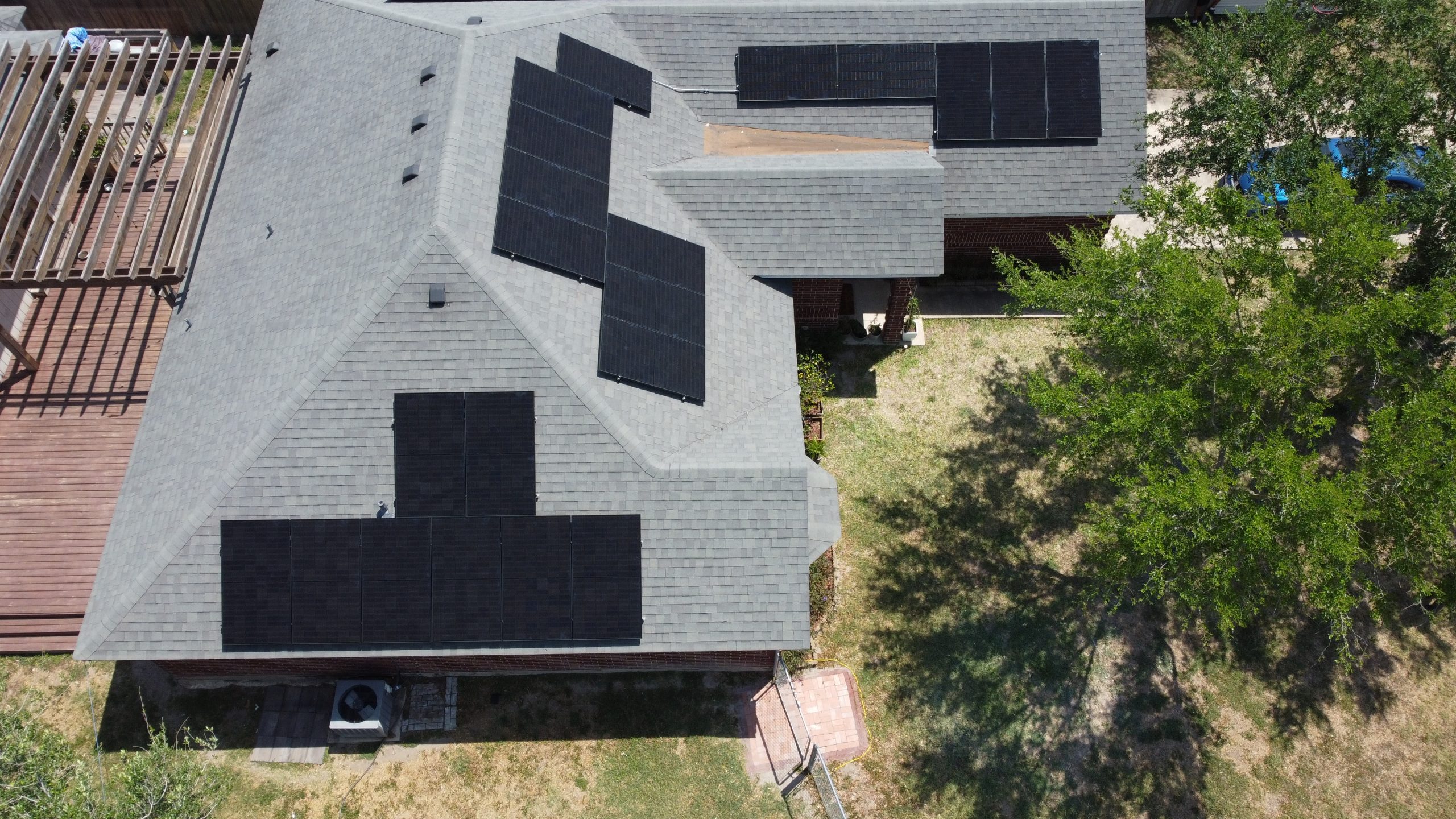
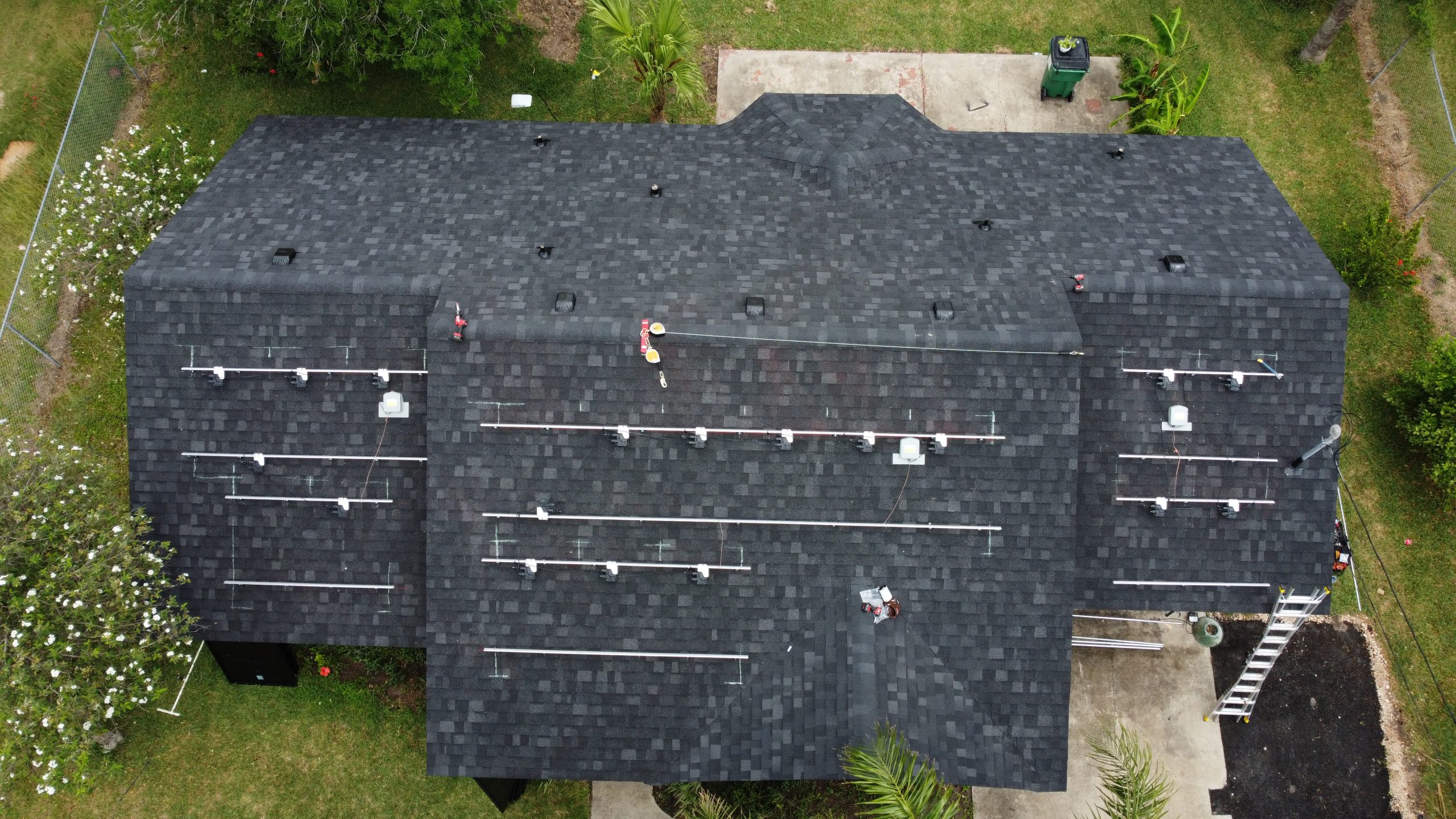
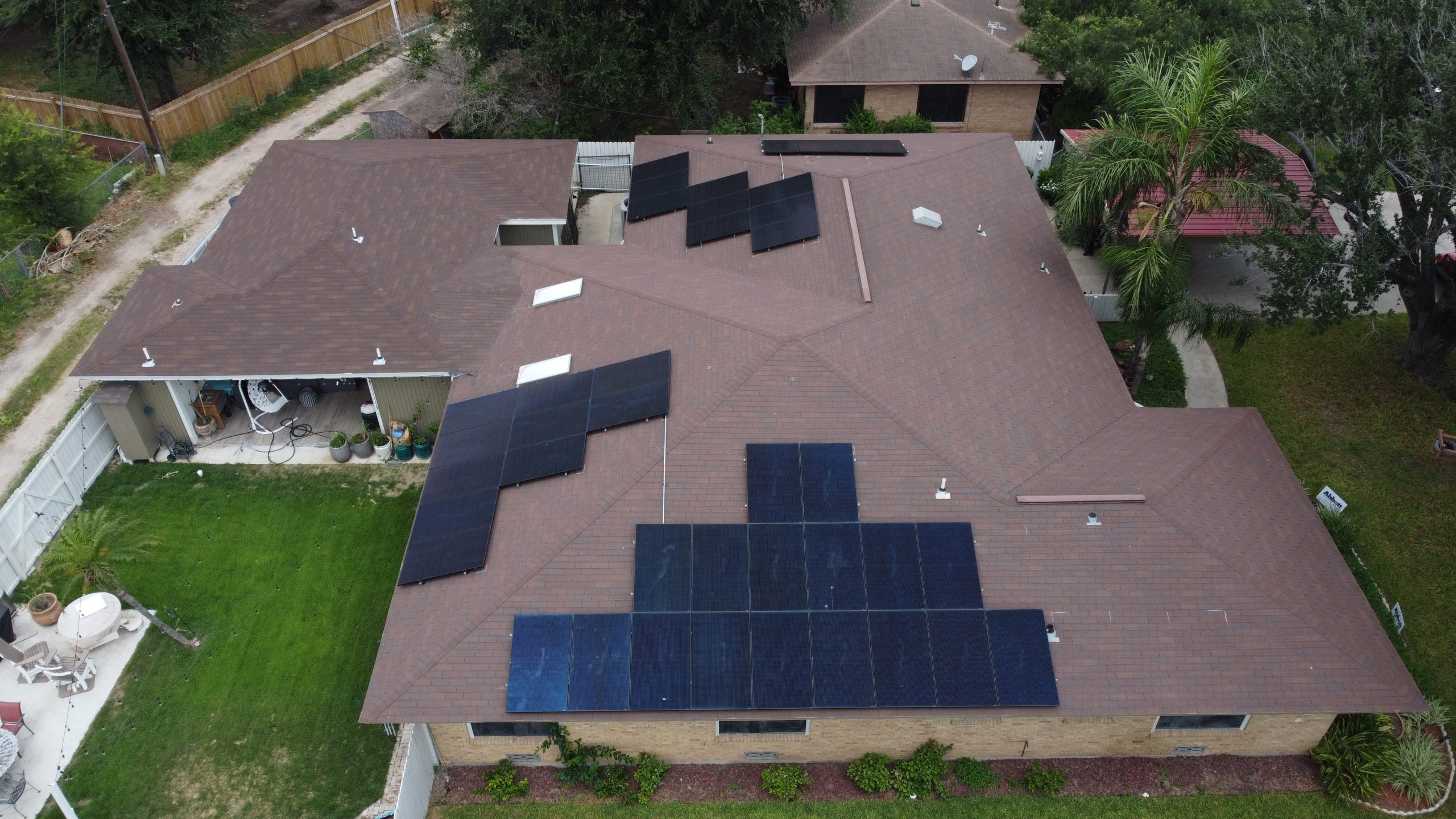
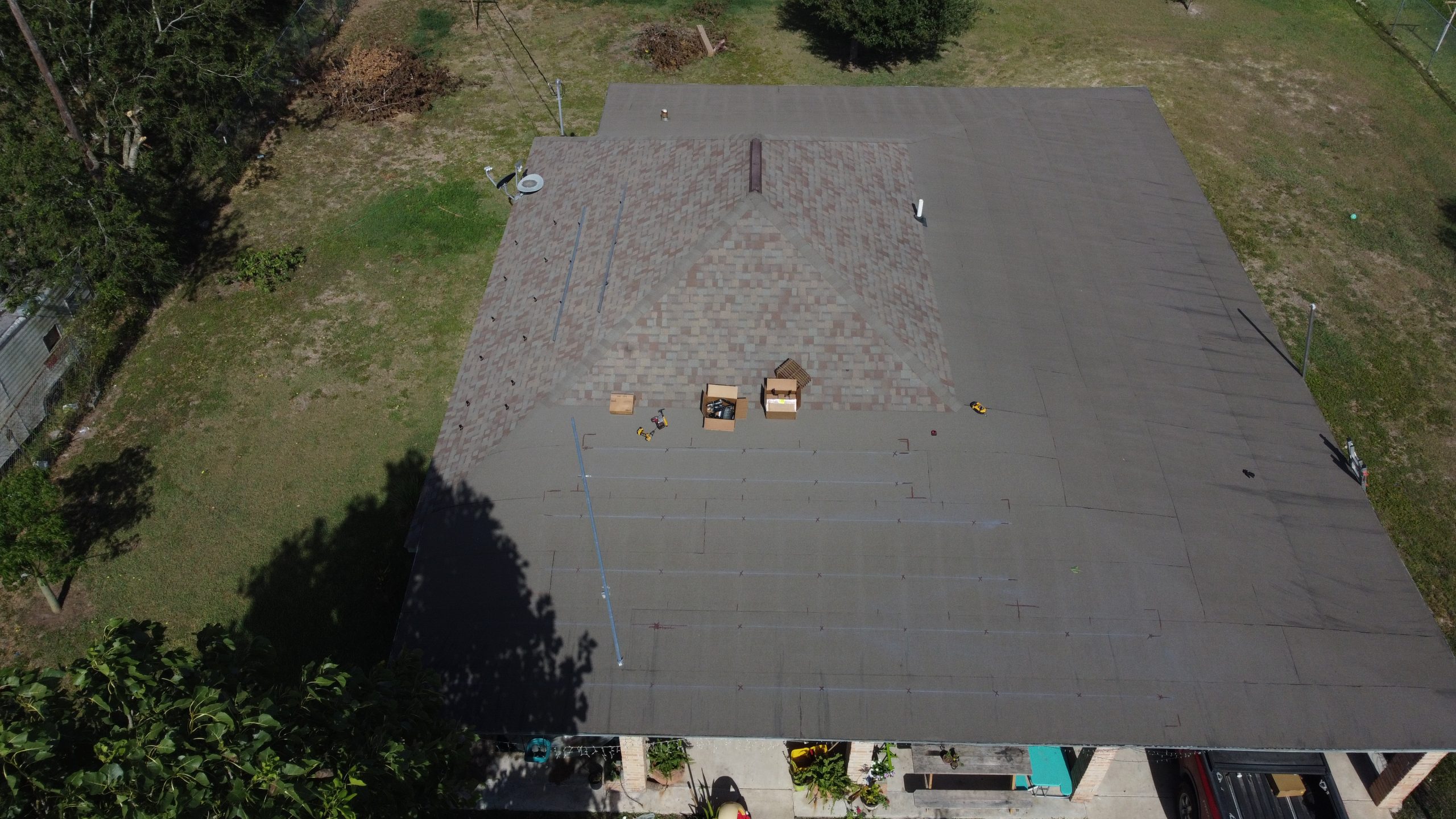
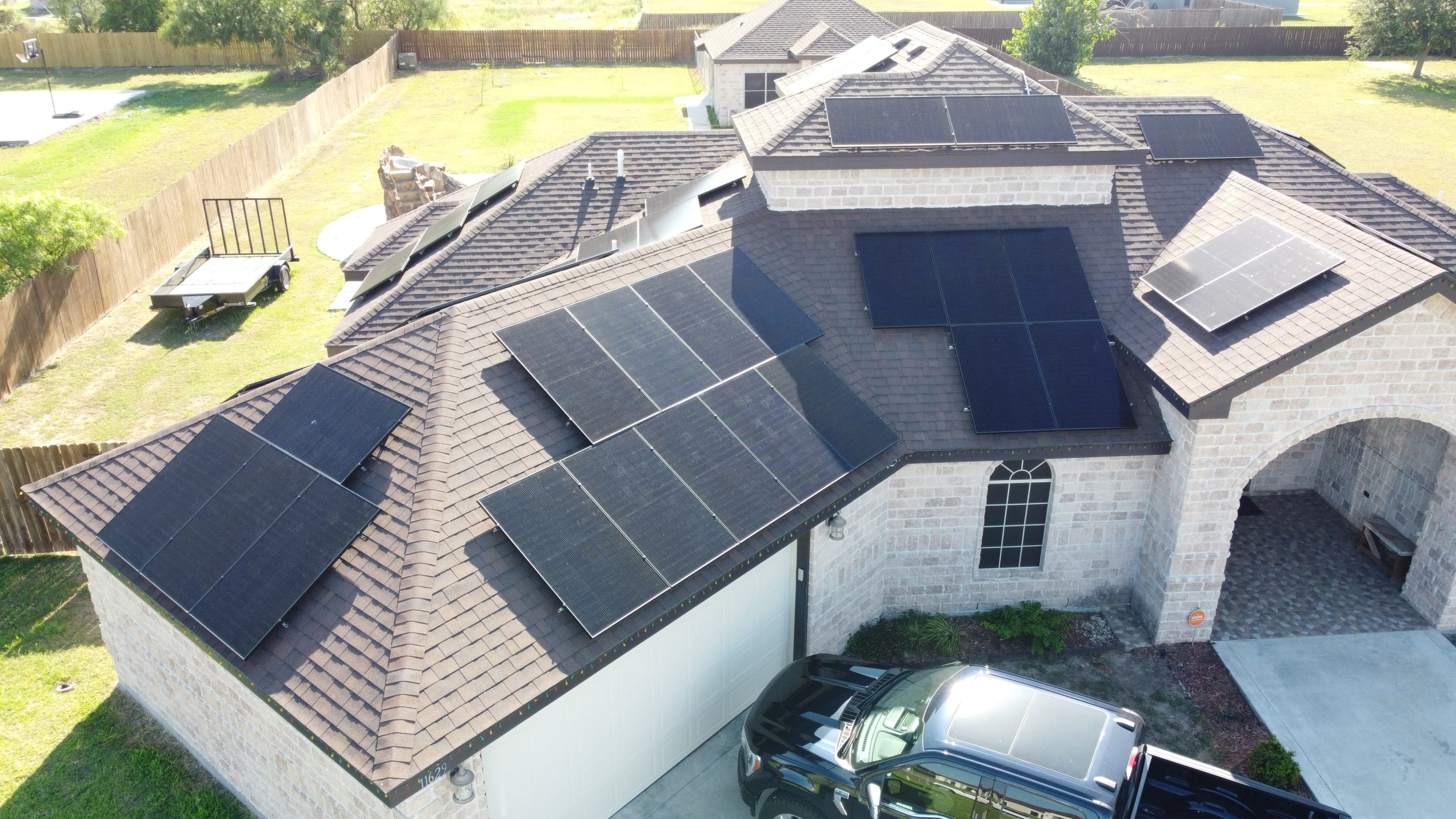
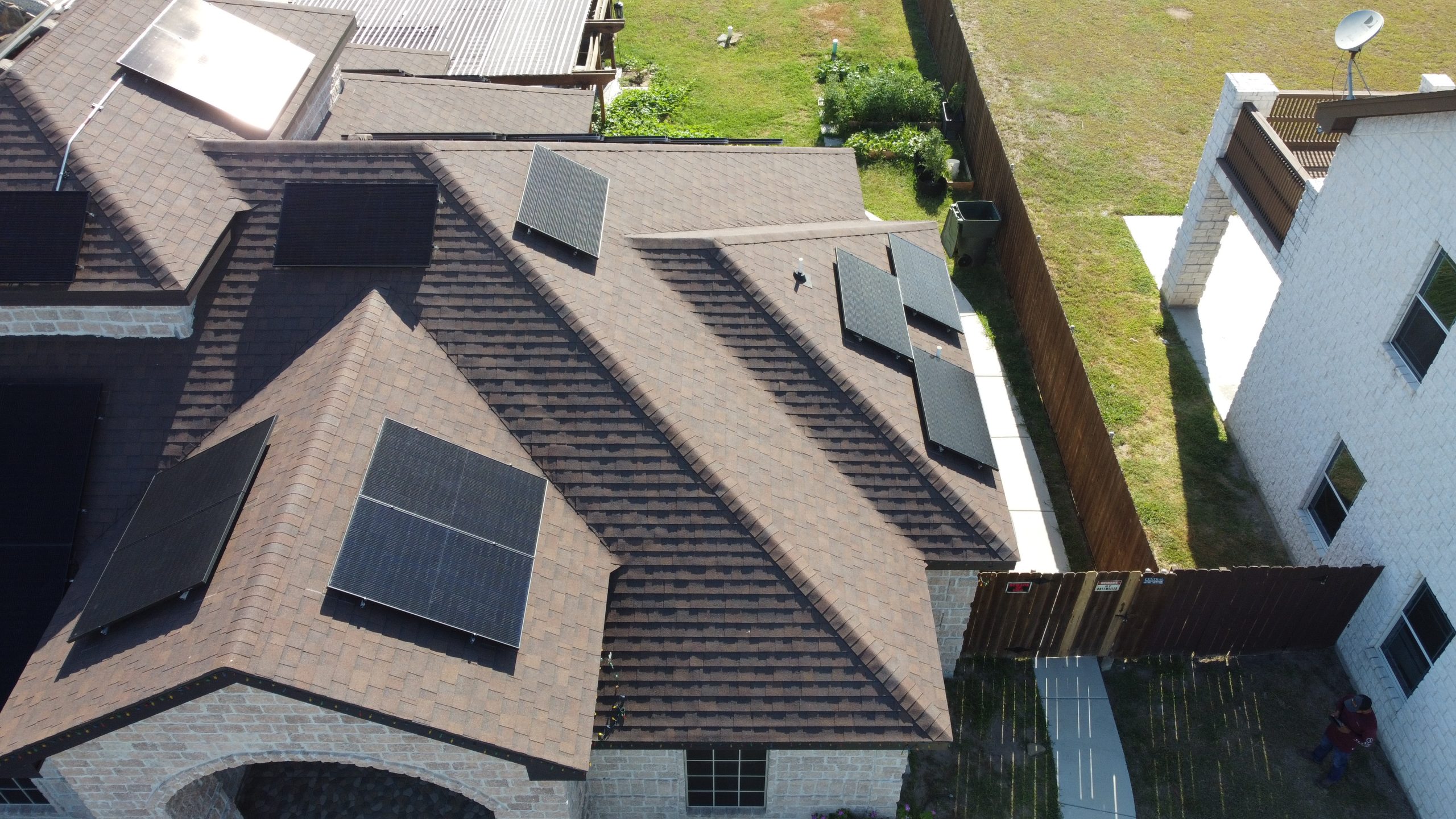
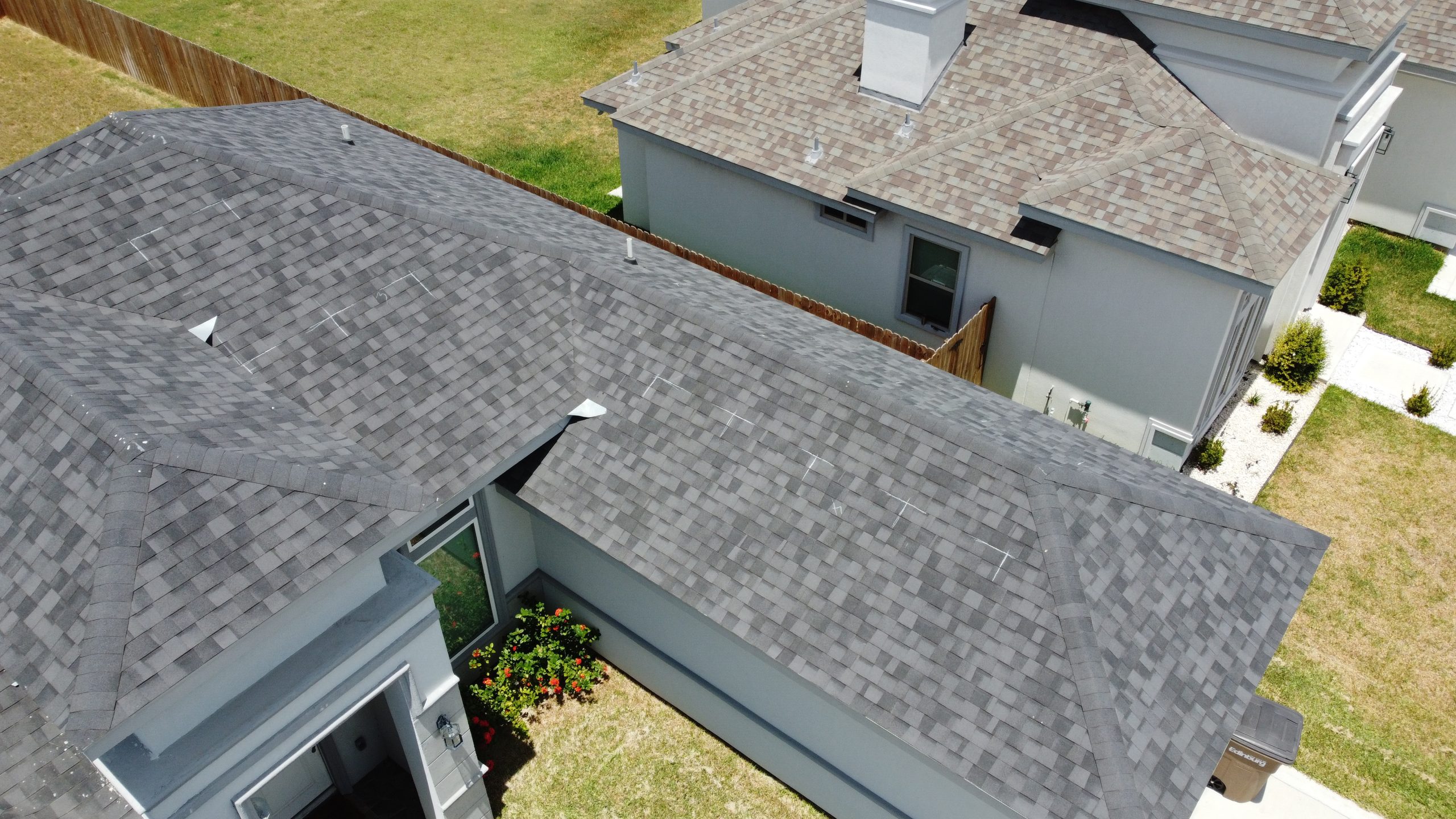
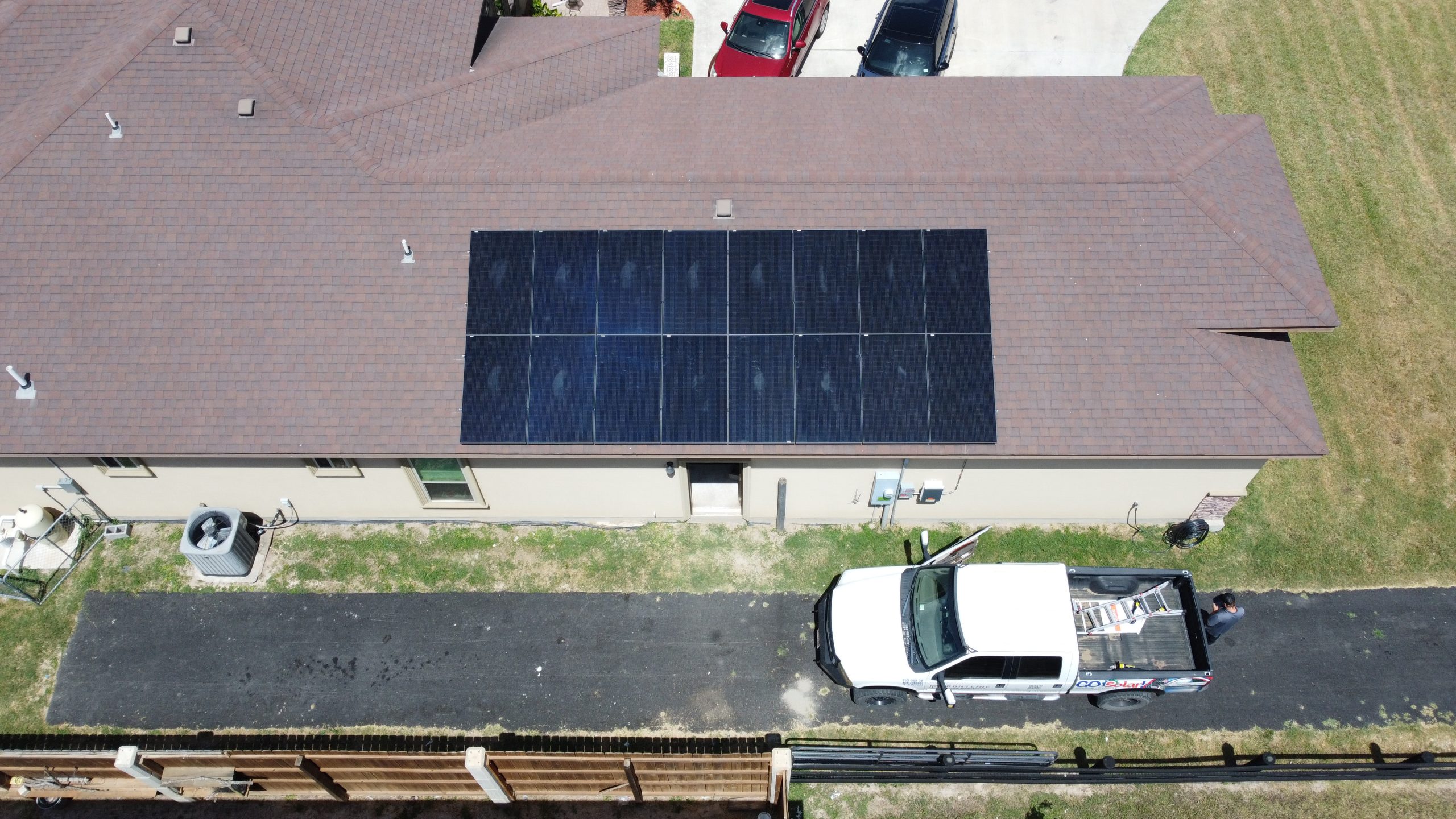
The Real Cost of Skipping Maintenance
When we skip roof maintenance, problems don’t show up right away. Instead, issues build slowly over time without obvious warning signs. We often see moisture working its way into insulation, which reduces performance and pushes energy costs higher. Small leaks don’t stay small either; they spread into hidden areas before we even notice them. By the time damage becomes visible inside the building, it’s usually already affecting ceilings, walls, or stored equipment. At that point, we’re no longer dealing with a simple fix. Repairs become more complex, more disruptive, and significantly more expensive because the problem has already spread. What could have been handled early with a basic repair turns into a major restoration or even partial replacement. Most of these situations are avoidable when we stay consistent with maintenance.
How Often a Commercial Roof Should Be Maintained
There’s no single schedule that fits every building, but most commercial roofs follow a simple rhythm:
- At least two inspections per year (spring and fall)
- More frequent visits for older roofs or high-risk systems
- Additional checks after major storms
Buildings with heavy use or flat roof systems often benefit from more frequent monitoring because they have more rooftop activity and drainage stress.
Different Roofing Systems and Maintenance Needs
Not all roofing systems age or behave the same way under pressure. Each material reacts differently to heat, rain, UV exposure, and daily expansion cycles. That’s why we tailor maintenance to the specific system instead of taking a one-size-fits-all approach. When we understand those differences clearly, we avoid misdiagnosis and unnecessary repairs that don’t actually solve the root problem.
TPO roofing
TPO roofs need consistent attention at the seams and welded joints because those areas carry the most stress over time. Strong heat and constant UV exposure can gradually weaken the membrane, especially in high-sun regions. When we handle maintenance properly, we focus on checking weld integrity, surface wear, and early signs of separation before they turn into leaks.
Metal roofing
Metal roofs demand attention to fasteners, panel movement, and corrosion-prone areas. Temperature changes cause expansion and contraction, which can slowly loosen connections over time. Maintenance also includes checking protective coatings and sealing points where moisture could begin to enter the system.
EPDM roofing
EPDM systems require careful monitoring of material shrinkage, which naturally happens as the membrane ages. This movement can pull at seams and flashing details, creating weak points. Technicians also look for surface cracking and edge tension that can signal long-term wear developing across the roof.
Modified bitumen
Modified bitumen roofs need regular inspection for surface deterioration, blister formation, and granule loss that exposes underlying layers. These issues often start small but expand quickly under heat and standing water. Maintenance ensures the protective surface stays intact and flexible enough to handle weather stress.
Flat roof systems
Flat roofing systems require a strong focus on drainage performance since water doesn’t naturally run off as easily. Maintenance includes checking for ponding water, blocked outlets, and areas where the membrane may be under constant moisture pressure. Even small drainage issues can create long-term structural damage if ignored.
Benefits of Staying Ahead with Maintenance
Maintenance doesn’t just prevent problems it changes how a roof performs over time.
- Extends overall roof lifespan significantly
- Reduces frequency of emergency repair situations
- Lowers long-term roofing and maintenance costs
- Improves building energy efficiency performance
- Strengthens protection against water intrusion damage
- Minimizes risk of mold development issues
- Maintains consistent insulation effectiveness year-round
- Preserves overall structural integrity over time
Maintenance vs. Repairs: The Difference That Matters
| Maintenance | Repairs |
|---|---|
| Proactive approach to roof care | Reactive response after damage occurs |
| Focuses on preventing future issues | Focuses on fixing existing problems |
| Asks what could go wrong soon | Asks what already broke |
| Routine inspections and upkeep | Triggered by leaks or visible damage |
| Identifies early warning signs | Addresses problems after they escalate |
| Reduces risk of unexpected failures | Often urgent and disruptive work |
| Helps control long-term costs | Can lead to higher emergency expenses |
| Keeps roofing system stable over time | Restores function after failure occurs |
Most commercial property owners only think about roofing when there’s a leak. Maintenance flips that timeline so issues get handled before they interrupt operations. That shift alone changes how much you spend over the life of a building.
Where We Work
We’re a trusted commercial roofing company with a strong regional presence.
Our crews operate throughout South and Central Texas, proudly serving business owners, property managers, and commercial facilities with dependable, large-scale roofing solutions.
Areas We Serve Across south & central Texas
From McAllen to Corpus Christi, Frontline Commercial Roofing is your go-to expert for reliable commercial roof installations, repairs, and replacements across the region—delivering performance, durability, and long-term protection for every property we serve.
Choosing the Right Maintenance Partner
Not all maintenance programs are equal. A strong provider should bring more than basic inspections.
Look for:
- Experience with commercial systems
- Clear reporting after each visit
- Honest recommendations (not unnecessary upgrades)
- Fast response if issues are found
- Understanding of local weather conditions
Frontline Commercial focuses on practical maintenance that keeps roofs stable, not inflated service plans that don’t add real value.
Frequently Asked Questions
Answers to the Most Common Questions About Commercial Roofing in South and Central Texas
How often should commercial roofs be maintained?
Most commercial roofs should be inspected at least twice a year, and also after storms to catch early damage, prevent leaks, protect insulation, and avoid expensive repairs or unexpected structural problems that can disrupt daily operations and increase long-term maintenance costs for the building.
What’s the difference between roof maintenance and roof repair?
Maintenance prevents problems through regular inspections and care, while repairs fix damage that has already occurred and often require urgent attention.
Can maintenance actually prevent roof leaks?
Yes, regular maintenance identifies small weaknesses early, like seam gaps or drainage issues, before they develop into active leaks inside the building.
Is roof maintenance worth the cost for commercial buildings?
Yes, roof maintenance is worth the cost for commercial buildings. It helps reduce unexpected breakdowns, lowers long-term repair expenses, and extends the overall lifespan of the roofing system, keeping the building protected and reducing the risk of costly operational disruptions over time.
Get Professional Roof Maintenance Today
Don’t wait for leaks or damage to appear. Regular roof maintenance is the best way to protect your property and save money in the long run.
Whether you need a quick inspection or a full maintenance plan, our team is here to help.
Contact us today to schedule your roof maintenance service and keep your roof strong, safe, and long-lasting.