
Professional Roof Repair for Long-Term Building Protection
Roof problems don’t show up all at once. They start small, an unnoticed stain on a ceiling tile, a soft spot near a drain, a tiny seam that starts pulling apart. Then one heavy storm rolls through, and suddenly it’s no longer a minor issue. It’s a disruption.
That’s why roof repair isn’t just a maintenance task. It’s protection for everything under that roof your operations, equipment, inventory, and the people who rely on the building every day.
Frontline Commercial works with business owners and property managers who need repairs done quickly, correctly, and without unnecessary downtime. The goal is simple: find the issue early, fix it properly, and stop it from coming back.
Let’s break down what roof repair actually involves, what causes most failures, and how to know when it’s time to act.
Get A Free Quote
Why Roofs Fail in the First Place
Most commercial roofs don’t fail because of one dramatic event. They fail because of time, weather, and small issues that get ignored.
Here are the usual suspects:
Constant weather exposure
Heat, rain, wind, and UV rays slowly wear down roofing materials. Even high-quality systems degrade over time, especially on large flat or low-slope surfaces.
Thermal movement
Roofs expand in heat and contract in cold. That constant movement stresses seams, fasteners, and flashing until something gives.
Standing water
When drainage is poor, water sits instead of running off. Over time, that weakens seams, softens insulation, and creates leaks that spread far from the original point.
Poor installation or past patch jobs
A quick fix done incorrectly often becomes a bigger problem later. Sealants dry out, patches separate, and leaks return stronger than before.
Neglected maintenance
Most major roof repairs start as minor issues that were never inspected or addressed.
Early Warning Signs You Shouldn’t Ignore
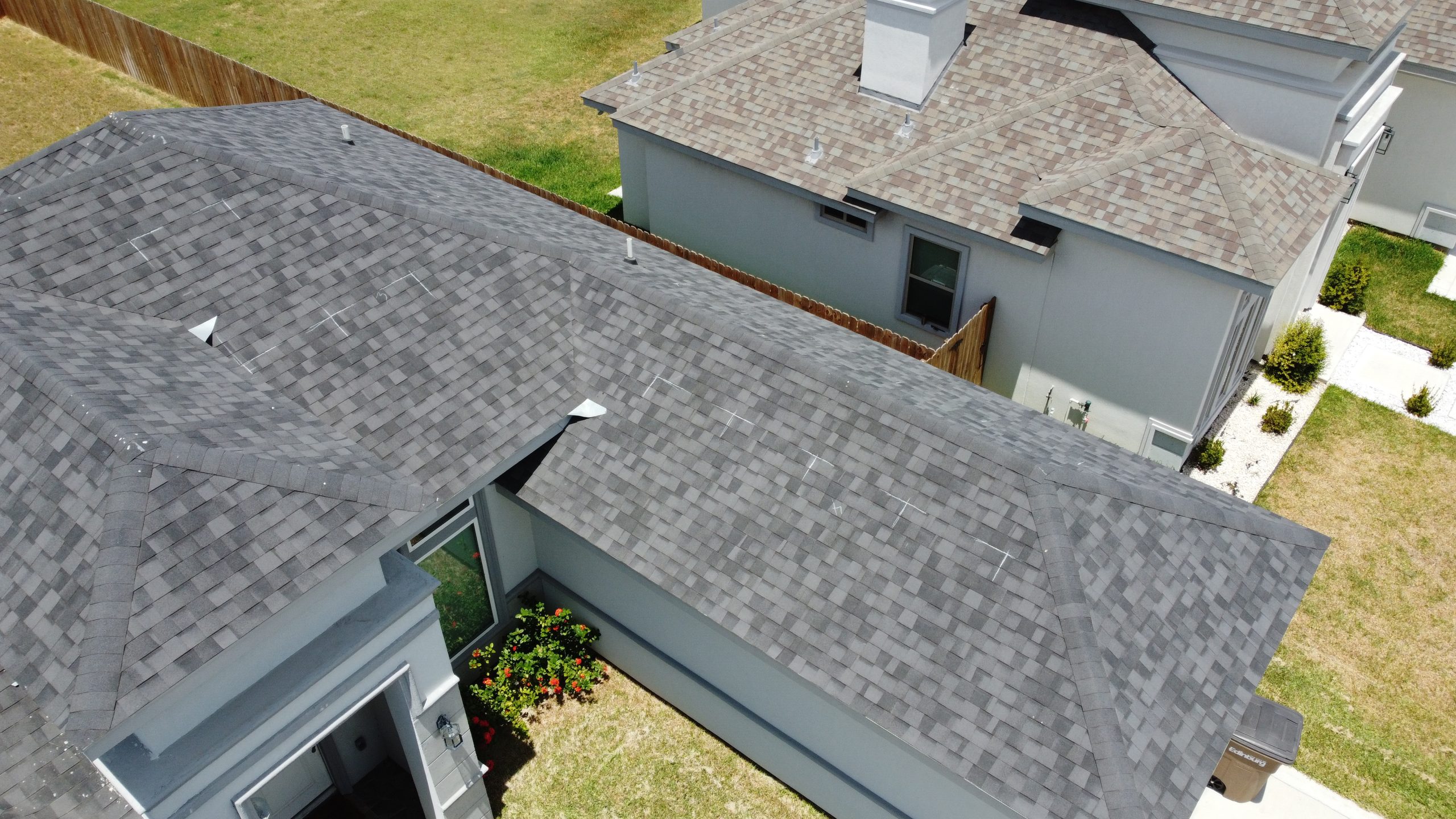
Roof damage usually gives warning signs before it becomes serious. The challenge is recognizing them early enough to matter. Look for these signals:
- Water stains on ceilings or walls
- Dripping during or after rain
- Bubbling or blistering on roof surfaces
- Soft or spongy areas when walked on
- Rusted or loose flashing around edges and vents
- Pooling water that doesn’t dry within 48 hours
- Unexpected increases in cooling costs
- Mold or musty odors inside the building
One of the biggest mistakes property owners make is waiting for visible leaks inside the building. By that point, water has already traveled through insulation and structural layers.
A roof rarely fails at the exact point where you see the damage. The entry point is often several feet or even several sections away.
What Professional Roof Repair Actually Includes
A proper repair job is more than applying sealant or replacing a few shingles. On commercial systems, it’s a structured process.
Full roof inspection
The first step is always diagnosis. We check the entire system not just the obvious problem area. This includes:
- Membrane condition
- Seams and joints
- Flashing around and vents
- Drainage paths
- Insulation condition
- Previous repair points
The goal is to find the root cause, not just the symptom.
Moisture detection and mapping
On commercial roofs, water often spreads under the surface. Infrared scans or moisture meters help identify trapped water that isn’t visible from above.
This step matters because patching the wrong area leads to repeat leaks.
Surface preparation
Before any repair is made, we clean and prepare the area properly. Dirt, standing water, and loose material are removed so new repairs bond the way they’re supposed to.
We’ve seen what happens when this step gets rushed—repairs don’t hold, and problems come back sooner than expected.
Structural or membrane repair
This is where the actual fix happens. Depending on the roofing system, it may include:
- Sealing or re-welding seams
- Replacing damaged membrane sections
- Reinforcing flashing details
- Fixing punctures or splits
- Addressing insulation damage
The method depends on the roofing system TPO, EPDM, metal, or modified bitumen all require different approaches.
Reinforcement and sealing
Once the repair is complete, the area is reinforced to prevent future separation. This might include additional layers, coatings, or heat-welded detailing.
Final inspection and testing
A proper repair isn’t finished until it’s tested. Water tests or visual inspections confirm that the issue is resolved and drainage is working correctly.
Common Types of Roof Repairs
Not all roof problems look the same, and each type of issue behaves differently depending on weather exposure, installation quality, and roof age. Understanding the category helps us prioritize urgency and choose the right repair method.
Leak repairs
Usually caused by seam separation, punctures, or flashing failure. These are the most urgent and common issues. Leaks often start small but spread quickly through insulation layers, making early detection critical to prevent interior damage.
Drainage repairs
Clogged or poorly designed drainage leads to standing water, which slowly damages roofing layers. Over time, trapped water increases load stress, weakens adhesives, and accelerates deterioration across flat or low-slope commercial roofing systems.
Membrane repairs
For single-ply systems, small tears or blisters can expand quickly if not repaired early. UV exposure and thermal movement make membrane damage worse, especially when seams begin to loosen or protective layers break down.
Flashing repairs
Edges, and roof penetrations are weak points where water typically enters. Flashing failures often develop due to aging sealants, improper installation, or movement around equipment that slowly breaks watertight barriers.
Structural repairs
Less common, but serious. These involve damage to insulation layers or decking underneath the surface. Structural issues usually indicate long-term neglect, repeated leaks, or heavy moisture intrusion that has gone unnoticed for extended periods.
Why Fast Roof Repair Matters
Delaying roof repair almost always increases cost. Here’s why:
- Small leaks spread underneath the surface
- Water damages insulation, which loses effectiveness
- Mold can develop in hidden areas
- Structural materials weaken over time
- Energy bills increase due to heat loss or gain
What could have been a small repair often turns into partial replacement when ignored.
There’s also the operational side. A leaking roof in a commercial building can disrupt inventory, equipment, and daily workflow. The longer it goes unresolved, the more it affects the business itself.
Repair vs. Replacement: Knowing the Difference
One of the most important decisions is whether to repair or replace.
| Roof Repair | Roof Replacement |
|---|---|
| Localized damage on relatively new roofs | Widespread leaks or aging roofs |
| No widespread membrane failure | Multiple repair attempts have failed |
| Insulation is dry and intact | Moisture trapped across large sections |
| Roof is relatively new | Roof near end of lifespan |
A good contractor won’t push replacement unless it’s actually needed. The decision should come from inspection data, not guesswork.

Where We Work
We’re a trusted commercial roofing company with a strong regional presence.
Our crews operate throughout South and Central Texas, proudly serving business owners, property managers, and commercial facilities with dependable, large-scale roofing solutions.
Areas We Serve Across south & central Texas
From McAllen to Corpus Christi, Frontline Commercial Roofing is your go-to expert for reliable commercial roof installations, repairs, and replacements across the region—delivering performance, durability, and long-term protection for every property we serve.
Preventing Future Roof Repairs
The best repair is the one you don’t have to make. Staying ahead of problems keeps costs predictable and avoids disruptions that can slow down or shut down operations.
A maintenance plan usually includes:
- Regular inspections (at least twice a year) that catch early signs of wear before they turn into active leaks or structural issues
- Clearing drains and gutters so water flows freely instead of pooling on the roof surface and adding unnecessary stress
- Checking seams and flashing to make sure the most vulnerable connection points stay sealed and intact through seasonal changes
- Early detection of punctures or wear, especially around high-traffic areas, and edges exposed to wind
- Addressing small issues immediately before they spread into larger sections of the roofing system or affect insulation layers
Most commercial roof emergencies are preventable. They usually start as minor, easy-to-fix problems that get ignored until weather or time turns them into expensive repairs.
Working with the Right Roofing Team
Roof repair isn’t just about tools and materials. It’s about experience and judgment.
A strong commercial roofing team should:
- Identify root causes, not just surface damage
- Understand different roofing systems
- Respond quickly during emergencies
- Use materials designed for long-term durability
- Communicate clearly about repair vs. replacement options
Frontline Commercial focuses on practical repairs that hold up under real conditions, not temporary fixes that fail after the next storm.
Frequently Asked Questions
Answers to the Most Common Questions About Commercial Roofing in South and Central Texas
How do I know if my commercial roof needs repair?
Most signs show up early if you know what to look for. Water stains, bubbling surfaces, ponding water, or sudden energy cost increases usually mean the roof system is already under stress and needs inspection.
How long does a typical roof repair take?
It depends on the size of the damage and roofing system. Small repairs can be completed in a few hours, while more complex issues involving membranes or drainage may take one to two days.
Can roof repairs be done without shutting down my business?
In most cases, yes. Many commercial roof repairs are completed with minimal disruption. Work can often be scheduled in sections or during low-traffic hours to avoid interrupting operations.
What happens if I delay roof repairs?
Delaying repairs usually makes the problem worse. Water spreads beneath the surface, insulation gets damaged, and repair costs increase significantly. What starts as a small fix can turn into a major restoration.
Protect Your Building Today
Roof repair is one of those things most people delay until it becomes urgent. But the reality is simple: roofs give warnings long before they fail.
The difference between a small repair and a major expense is usually timing.
If something looks off stains, soft spots, or unexplained leaks it’s worth checking before it escalates. A quick inspection today can save a full shutdown later.