
Roof Replacement When Repairs Aren’t Enough
A roof doesn’t usually fail all at once. It gets there in stages. First a few repairs. Then more frequent leaks. Then constant patchwork that never really holds up for long. At some point, you stop fixing problems and start managing them.
That’s where roof replacement comes in.
For commercial buildings, replacement isn’t just about getting a new roof. It’s about resetting the entire system so the building can perform the way it’s supposed to again, dry, efficient, and reliable through every season.
Frontline Commercial helps property owners make that transition without guesswork. The focus is simple: assess honestly, replace only when it makes sense, and install a system built for long-term performance.
Get A Free Quote
Why Roofs Reach the Point of Replacement
Most commercial roofs don’t suddenly “die.” They wear out gradually until repairs stop being effective. Here’s what usually pushes a roof past the repair stage:
Age of the system
Every roofing material has a lifespan. Once a roof reaches that upper limit, problems start stacking up faster than they can be fixed. At that stage, even small issues appear more often and we see repairs becoming temporary rather than lasting, no matter how carefully we handle them.
Moisture trapped under the surface
When water gets into insulation layers, it spreads. Even if the surface looks fine, the damage underneath can be extensive. In situations like this, we frequently uncover hidden deterioration that keeps expanding over time and weakens the entire structure from below.
Repeated leaks in different areas
One leak is a repair issue. Ten leaks across different sections usually means system-wide failure. When leaks start showing up in unrelated spots, we often find that the entire roofing system has lost integrity and is no longer working as one continuous protective layer.
Rising repair frequency
If you’re calling for repairs every few months, the system is telling you something. What we typically see is a shift from occasional maintenance to a constant cycle of fixes, and that’s usually the point where the roof is no longer stable or predictable in performance.
Energy inefficiency
A failing roof often loses its ability to regulate indoor temperatures, which shows up in higher utility bills. As materials break down, we notice buildings working harder to maintain comfort, and we end up seeing avoidable energy loss month after month.
Signs Your Building May Need a New Roof
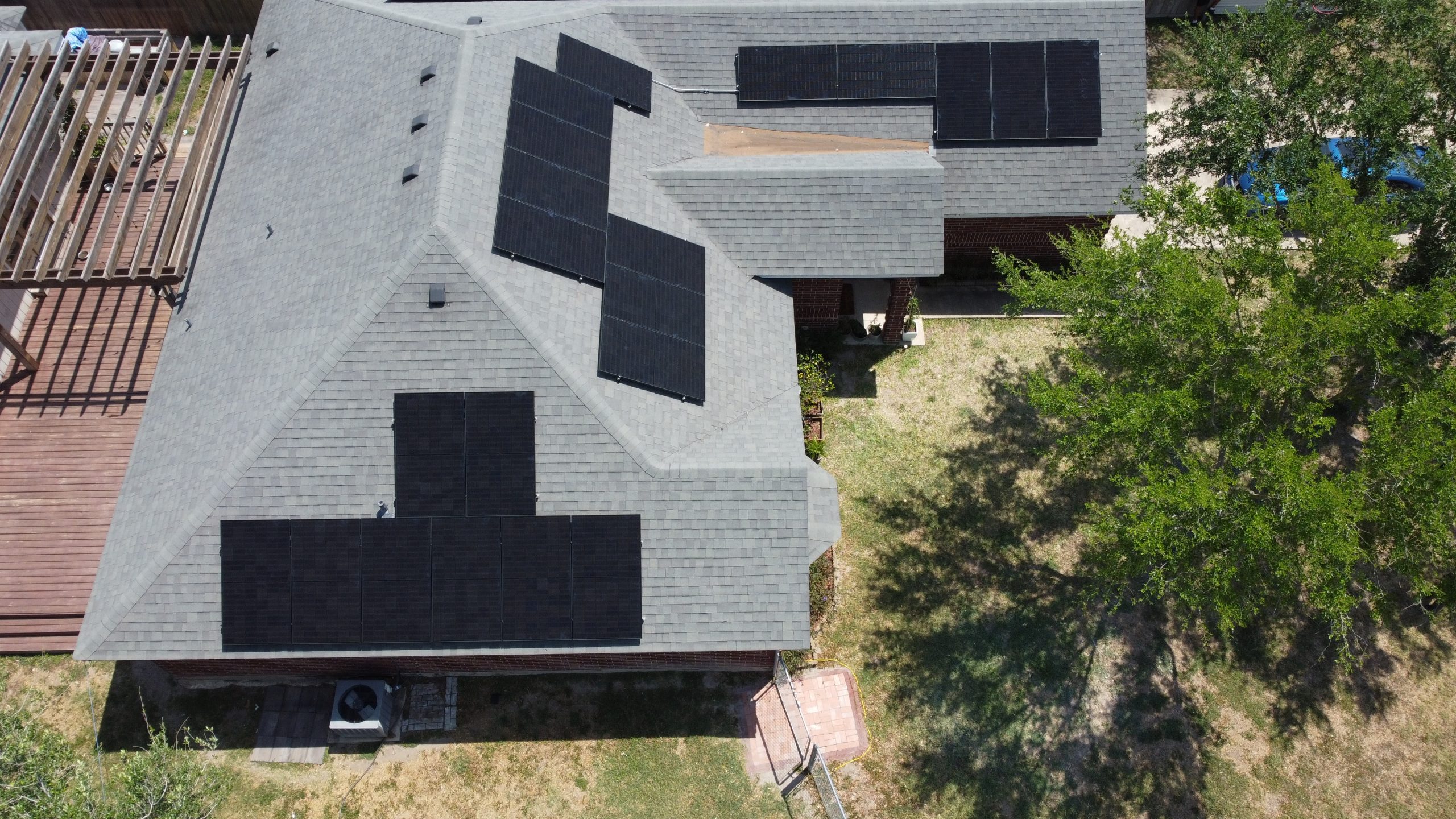
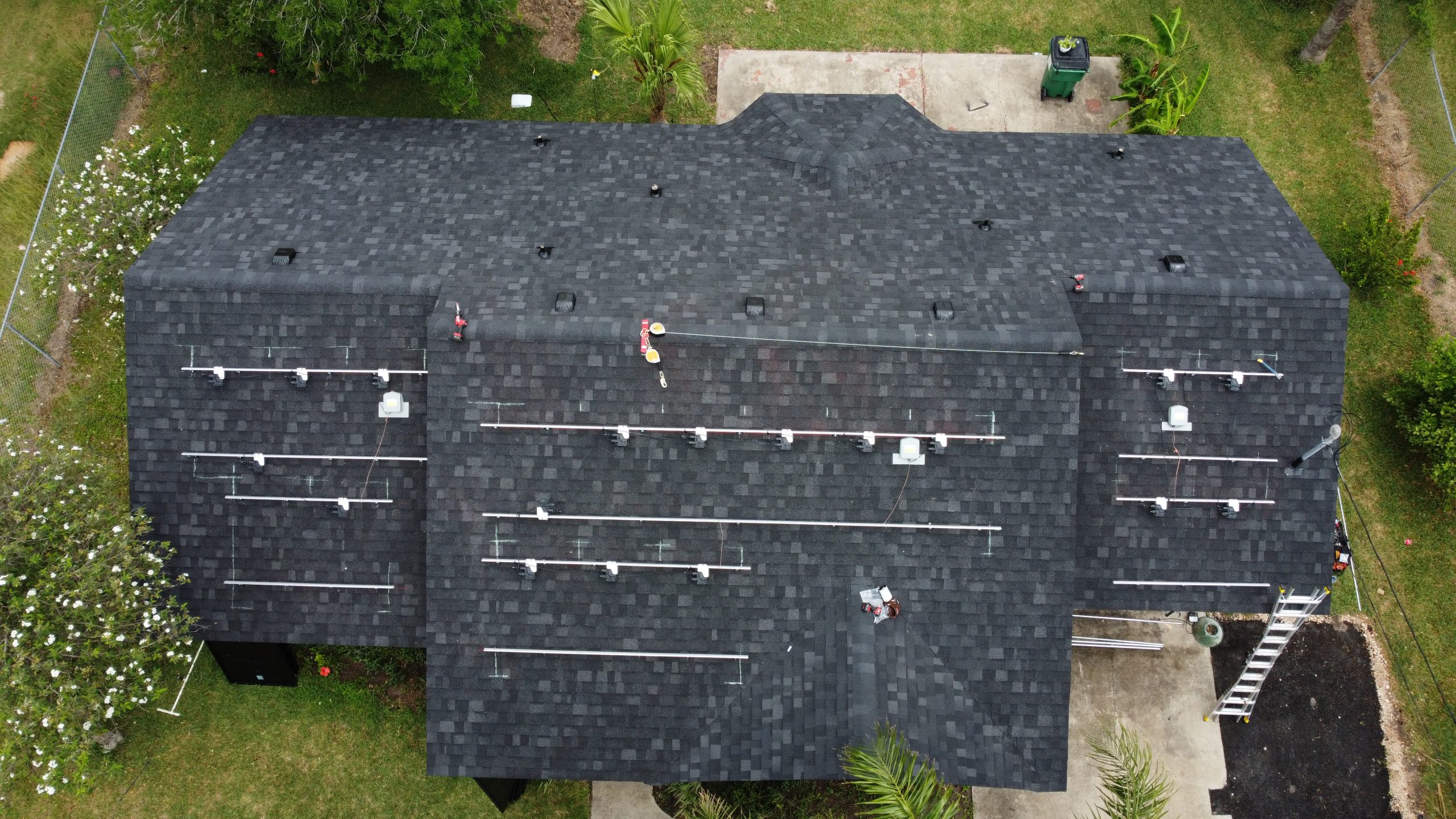
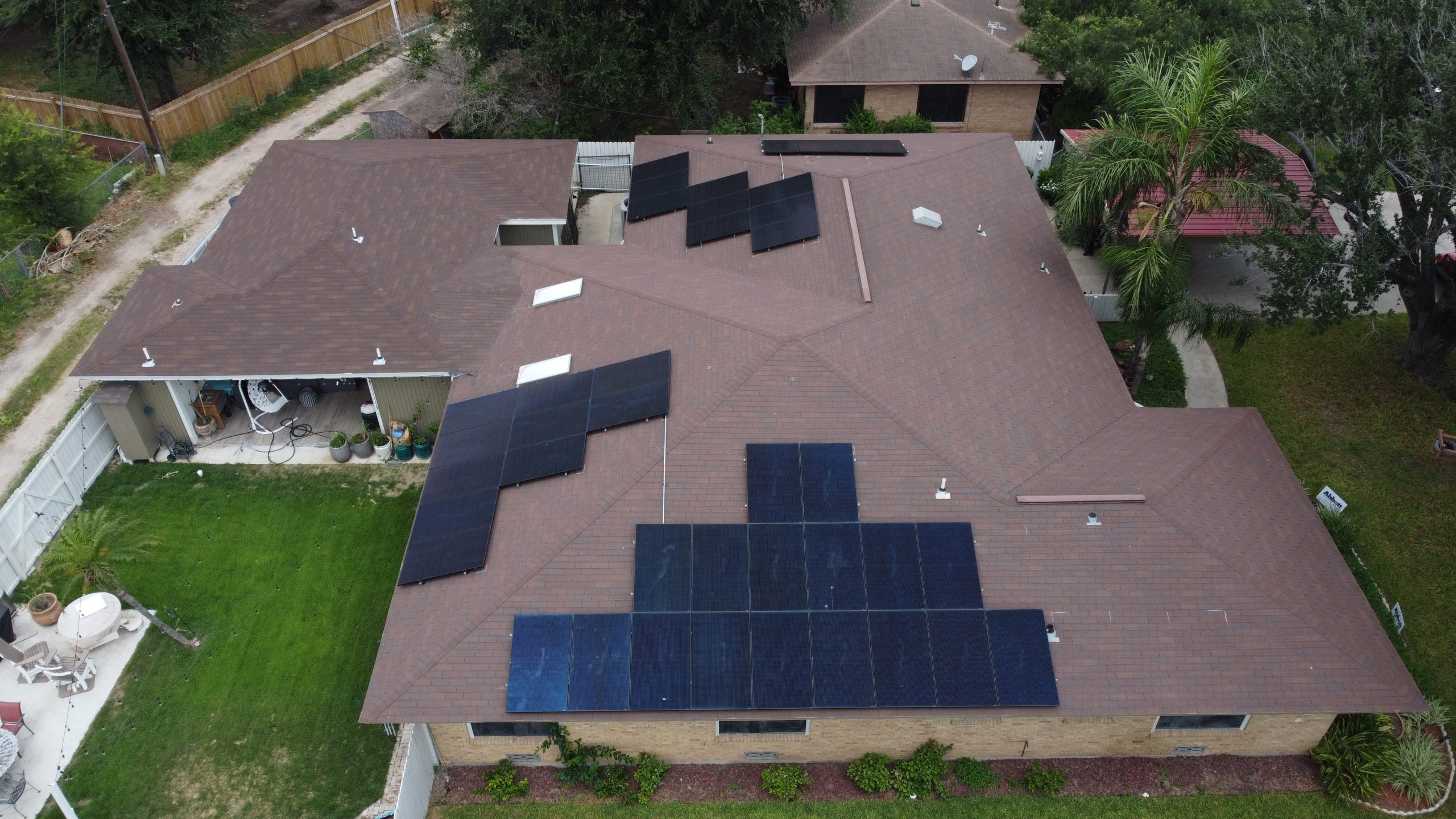
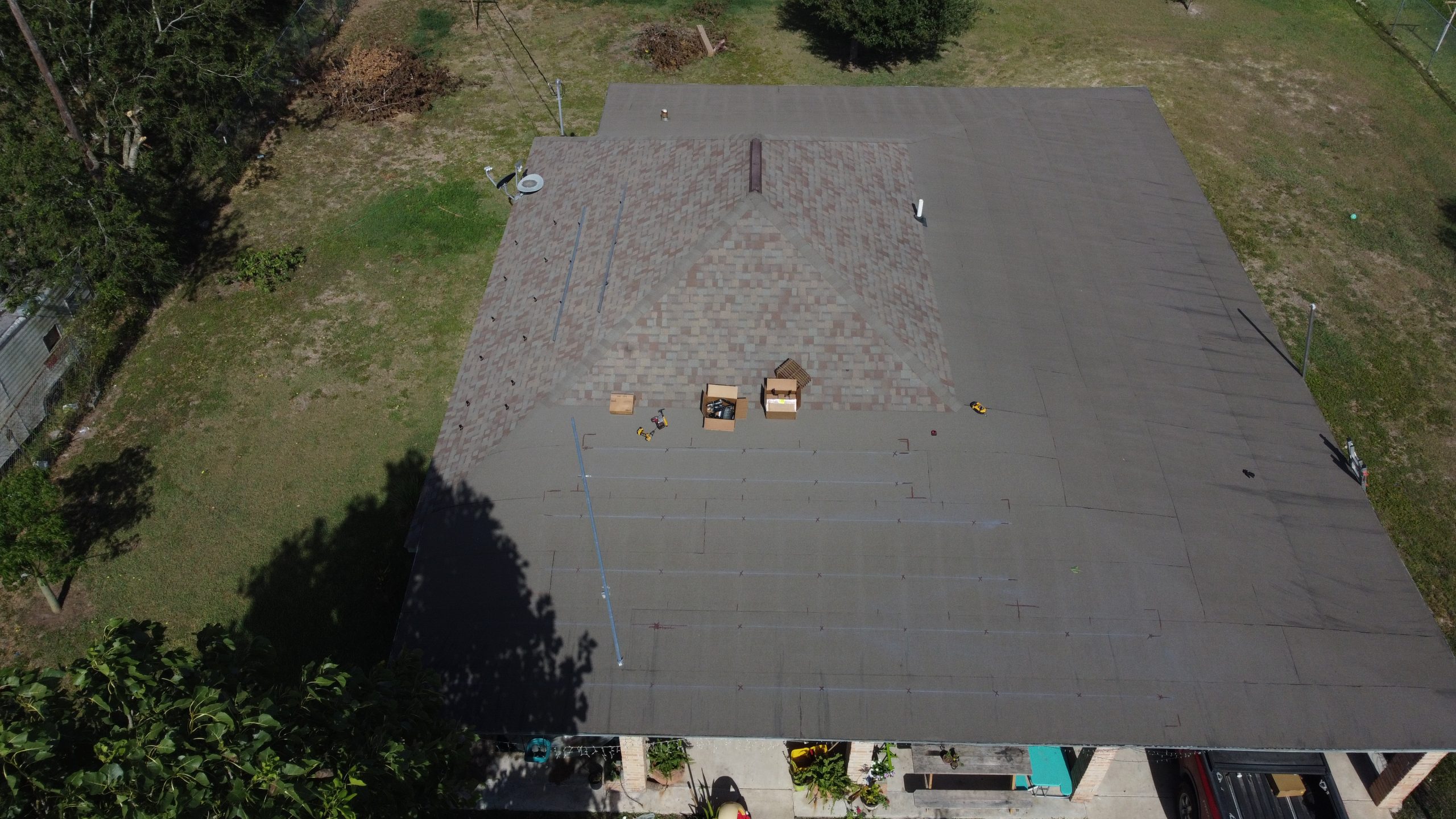
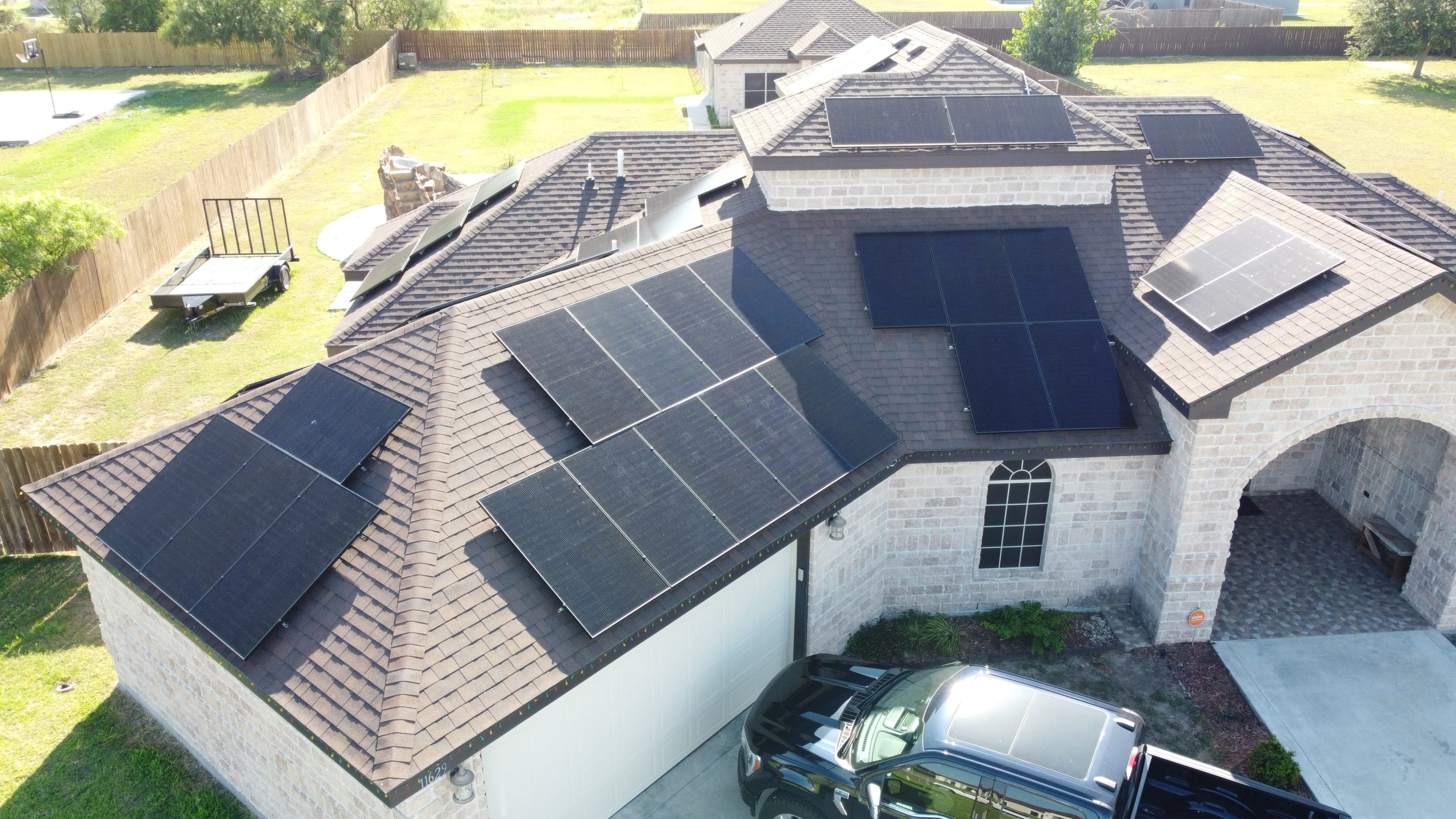
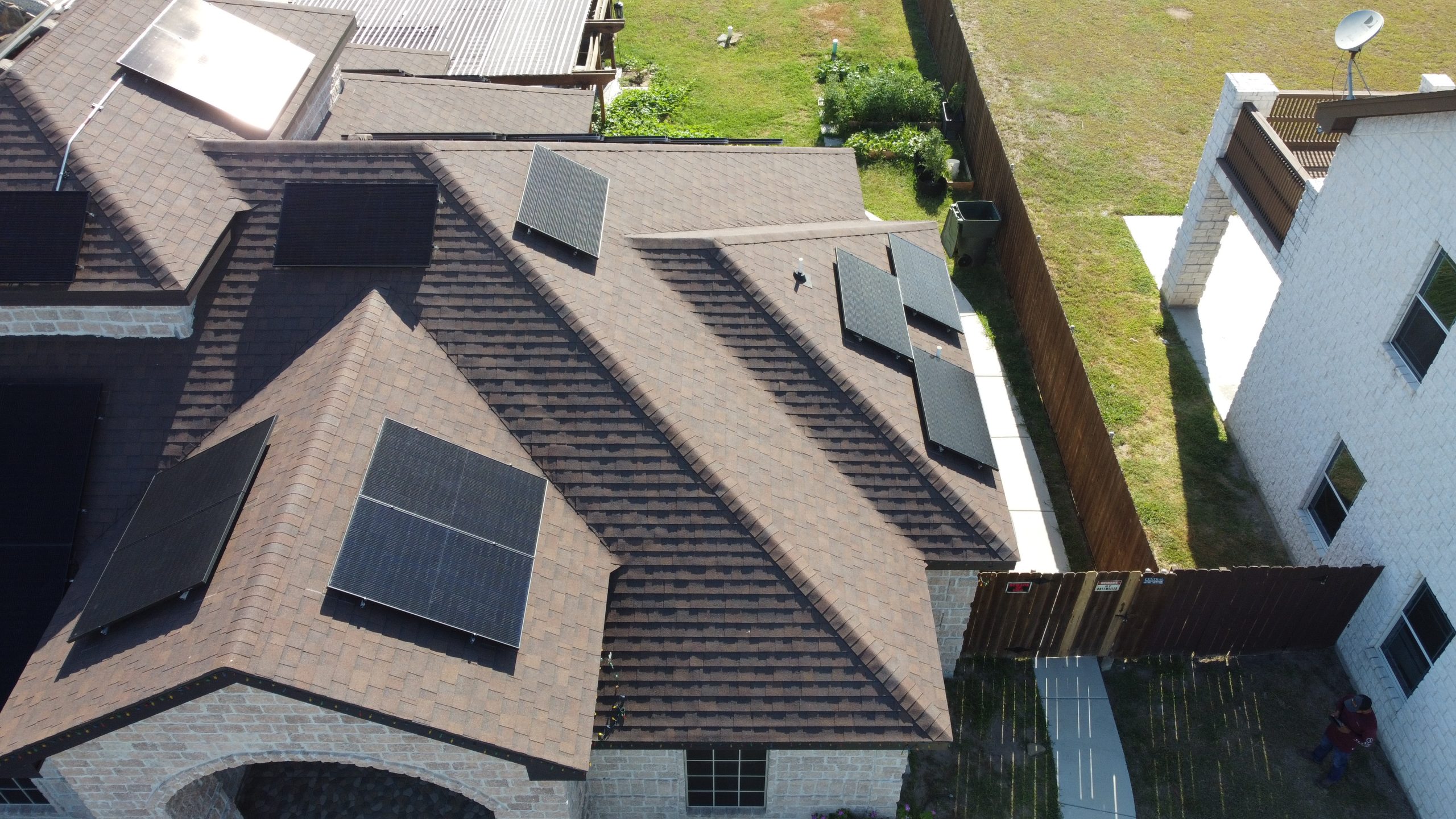
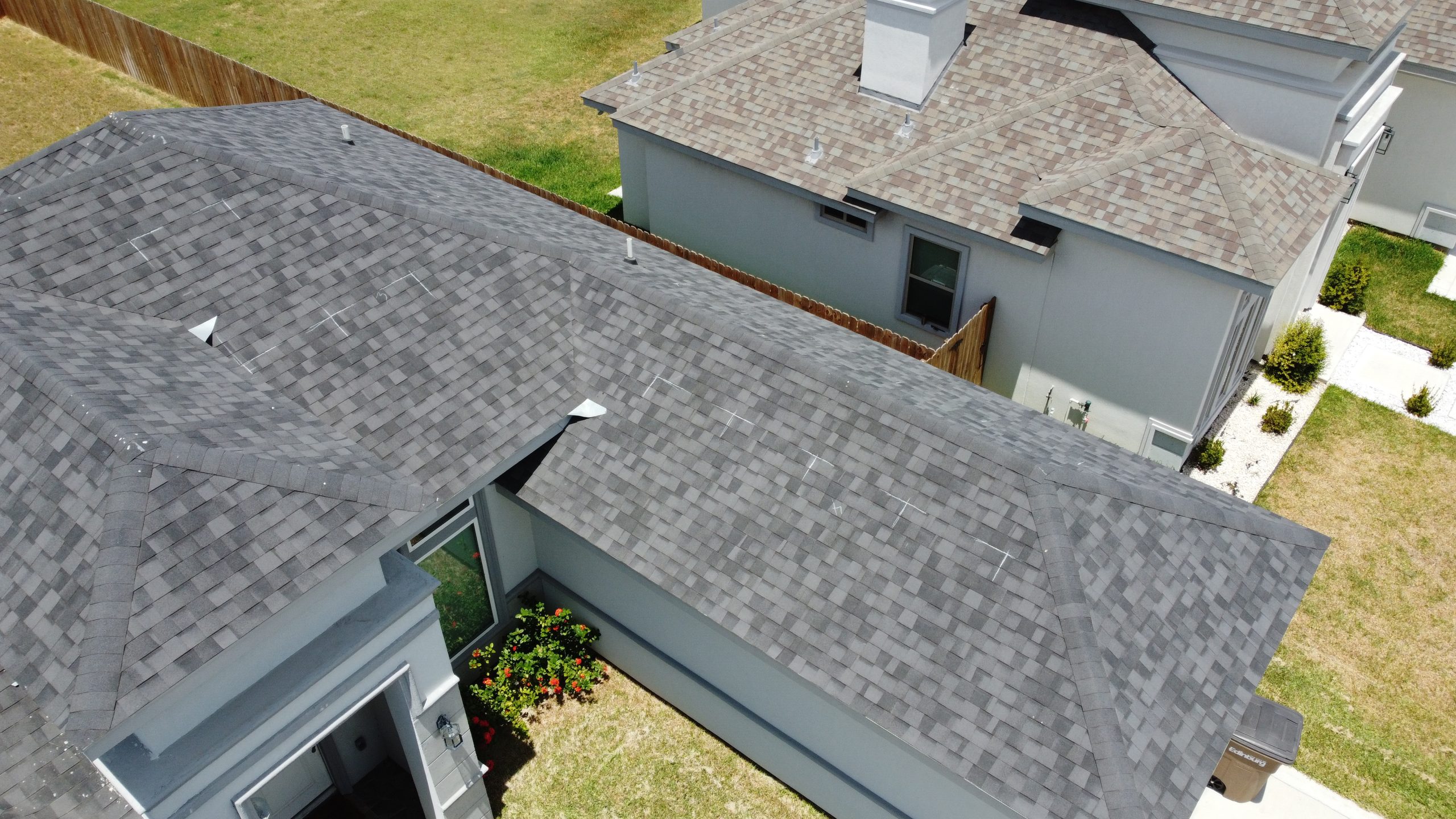
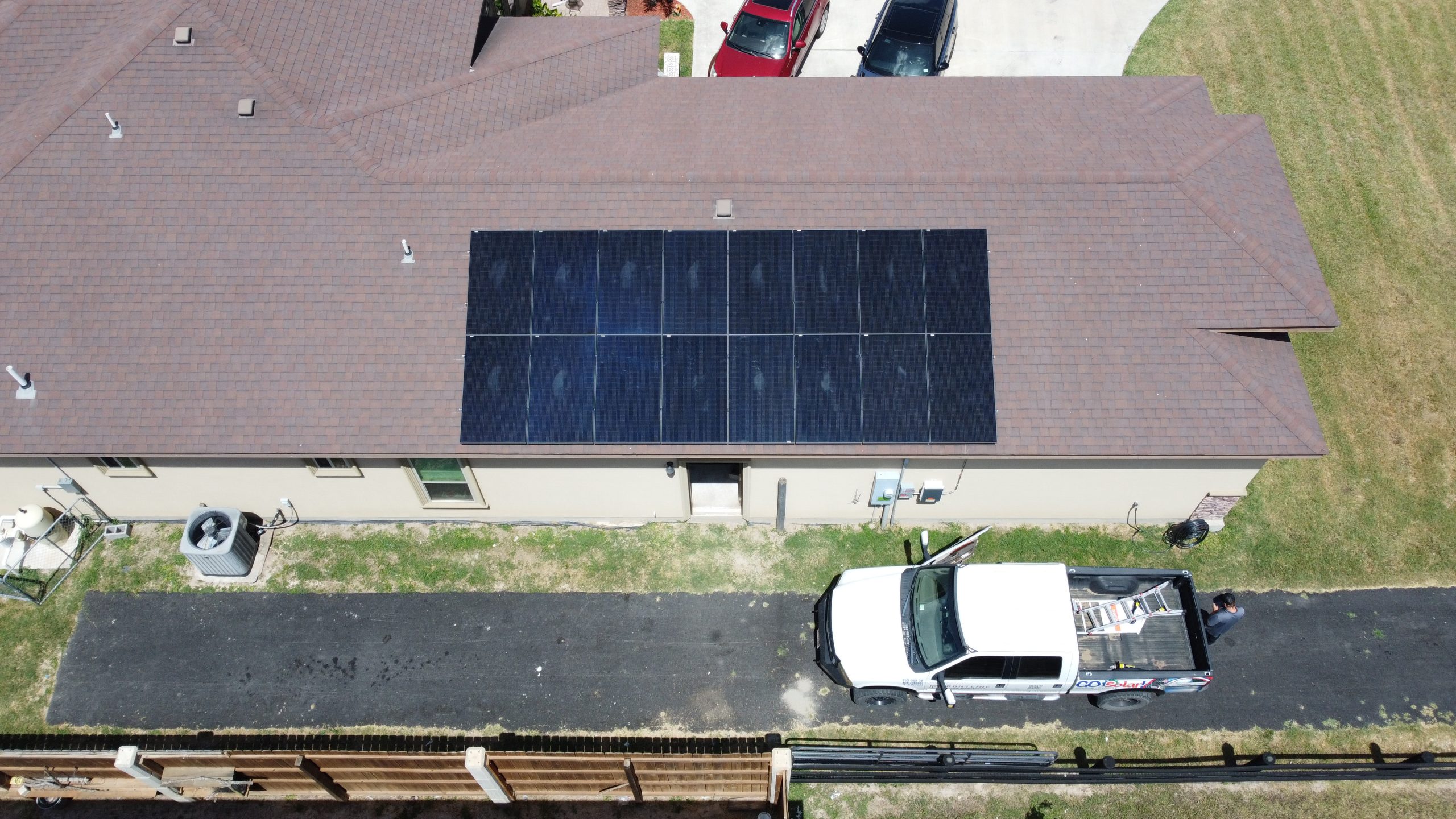
Replacement decisions are rarely based on a single issue. It’s usually a combination of warning signs. When patterns start forming instead of isolated problems, it’s worth paying attention. We typically see issues build gradually, then reach a point where repairs stop making sense. At that stage, we look at the full picture rather than reacting to one symptom.
Here are the signs to watch for:
- Multiple active or recurring leaks
- Large areas of bubbling or surface deterioration
- Water stains appearing in different parts of the building
- Noticeable sagging or uneven roof sections
- Insulation damage confirmed during inspections
- Frequent patchwork that no longer holds
- Rising energy costs without a clear reason
One issue on its own might not mean much. But when several show up together, it usually points to a roof that’s nearing the end of its usable life.
What Roof Replacement Actually Involves
A commercial roof replacement is a structured process. It’s not just removing old materials and putting new ones down. It’s rebuilding the protective system from the deck up.
Full roof evaluation
Before anything is removed, the entire roof is inspected. This helps determine:
- Whether full replacement is needed or partial sections can be saved
- The extent of hidden moisture or insulation damage
- Structural condition of the roof deck
- Best material system for replacement
This step prevents unnecessary work and ensures the new roof solves the real problem.
Tear-off or overlay decision
Depending on the condition of the existing roof, there are two main approaches:
- Full tear-off: Removing all old roofing layers down to the deck
- Overlay system: Installing a new system over the existing one (only when conditions allow)
Tear-offs are more common
in failing systems because they give a clean base to rebuild properly.
Surface preparation and repairs to decking
Once the old system is removed, the underlying structure is checked carefully. Any damaged decking or wet insulation is replaced before moving forward.
This step matters more than most people realize. A new roof built on a weak base won’t last.
Installation of the new roofing system
This is where the new roof comes to life. Depending on the building and budget, systems may include:
- TPO roofing
- EPDM rubber roofing
- Metal roofing
- Modified bitumen
- Other flat or low-slope systems
Each material has its own installation method, but the goal is the same: create a sealed, durable surface that handles heat, rain, and wind without breaking down.
Detailing and waterproofing
The most important parts of any roof are the edges, seams, and penetrations. Rooftop units, drains, and flashing areas are reinforced carefully to prevent future leaks. We pay close attention to these critical points because they handle the most stress over time. We make sure every connection is sealed and secured properly, not just covered. This is where many roofing systems succeed or fail..
This is where many roofing systems succeed or fail.
Final inspection and quality check
Before the project is considered complete, the entire roof is reviewed. Drainage flow, seam integrity, and material installation are all checked to ensure the system performs as expected. We go over the full surface carefully to confirm everything is installed correctly. We verify that water moves off the roof as it should and no weak spots are left behind.
Choosing the Right Roofing System
Not every building needs the same type of roof. The right system depends on structure, budget, and long-term goals.
| Roofing System | Best For | Strength | Key Consideration |
|---|---|---|---|
| TPO Roofing | Commercial buildings with intense sun exposure | Excellent energy efficiency and heat reflectivity | Helps reduce cooling costs over time |
| EPDM Roofing | Buildings facing changing weather conditions | Highly durable and flexible membrane | Performs well during temperature shifts |
| Metal Roofing | Storm-prone areas and long-term installations | Long lifespan with strong wind resistance | Excellent against impact and debris damage |
| Modified Bitumen | Roofs needing waterproof layered protection | Strong durability and leak resistance | Ideal for heavy foot traffic areas |
| Flat Roof Systems | Large commercial properties | Great for utility access and wide coverage | Proper drainage is essential |
The goal isn’t just choosing a material, it’s choosing a system that fits how the building is actually used.
Benefits of Roof Replacement
- Eliminates hidden leaks and structural weak points
- Improves overall building protection against weather damage
- Enhances energy efficiency and reduces cooling costs
- Minimizes frequent repairs and unexpected maintenance issues
- Increases commercial property value and market appeal
- Provides long-term cost stability and budget control
- Strengthens insulation performance across the entire system
- Reduces risk of interior water damage and mold
- Extends lifespan with durable modern roofing materials
- Supports consistent performance under heavy weather conditions
Where We Work
We’re a trusted commercial roofing company with a strong regional presence.
Our crews operate throughout South and Central Texas, proudly serving business owners, property managers, and commercial facilities with dependable, large-scale roofing solutions.
Areas We Serve Across south & central Texas
From McAllen to Corpus Christi, Frontline Commercial Roofing is your go-to expert for reliable commercial roof installations, repairs, and replacements across the region—delivering performance, durability, and long-term protection for every property we serve.
Why Choose Professional Roof Replacement
Roof replacement isn’t just labor its planning, timing, and precision. A qualified commercial roofing team should:
- Accurately determine whether replacement is truly needed, with careful inspection guiding every decision
- Provide clear options without pushing unnecessary work, so you always know what makes sense for your property
- Understand different commercial roofing systems, and we apply that knowledge to match the right solution to each building
- Handle large-scale projects without disrupting operations, and we plan work in a way that keeps downtime minimal
- Install systems built for long-term performance, not quick fixes.
Frontline Commercial focuses on getting the structure right first, then building a roofing system that actually holds up under real-world conditions. We make sure we’re solving the root problem, and we build every system to perform the way we’d expect on our own buildings.
Frequently Asked Questions
Answers to the Most Common Questions About Commercial Roofing in South and Central Texas
How much does roof replacement cost?
Roof replacement cost depends on building size, material type, roof condition, and labor requirements. Commercial projects vary widely because every structure has different needs. We assess the roof first, then provide a clear estimate based on real conditions, not guesswork, so you understand exactly what you’re paying for before any work begins.
How long does roof replacement take?
Timeline depends on roof size, weather conditions, and material selection. Most commercial replacements take a few days to a couple of weeks. We plan each project carefully to keep disruption low and ensure steady progress from start to finish.
Do you always need full roof replacement?
Not always. We inspect the entire system first. If damage is limited, repairs may be enough. Replacement is recommended only when the roof system is no longer reliable.
What is the best roofing system?
The best roofing system depends on your building type, budget, and weather exposure. We evaluate factors like heat resistance, durability, and maintenance needs before recommending options such as TPO, EPDM, metal, or modified bitumen. We choose systems that balance long-term performance, efficiency, and reliability for commercial properties.
Contact Frontline Commercial Today
If your roof is showing signs of repeated issues, leaks, or system-wide wear, it may be time to look beyond temporary fixes.
Frontline Commercial provides honest assessments and professional roof replacement solutions built for commercial buildings that need long-term reliability.
Get in touch today to schedule an inspection and understand exactly where your roof stands before the next problem shows up.