
Affordable and Durable Roof Installation Services
A commercial roof isn’t something you think about every day. It just sits there doing its job until it doesn’t. The truth is, most long-term roofing problems don’t start with age or storms. They start with the installation.
When we install a roof correctly, everything underneath it gets protection that lasts for decades. When it’s rushed or poorly planned, problems show up early and keep coming back in different forms.
At Frontline Commercial, we focus on roof installation built for real conditions in South and Central Texas heat that doesn’t let up, sudden storms, and constant UV exposure. Our goal isn’t just to put a roof on a building. It’s to build a system that actually holds up over time.
Get A Free Quote
Why Roof Installation Quality Matters More Than Most People Realize
A new roof can look perfect on day one and still fail early if the installation wasn’t done right. That’s the part most property owners don’t see.
Here’s what actually gets affected by installation quality:
Seams and joints
If seams aren’t properly sealed or welded, water slowly gets in. It may take time, but damage always appears later. When we install roofs, we make sure every seam is tightly sealed to prevent hidden moisture issues from forming.
Energy efficiency
Gaps in insulation increase cooling costs and put extra load on the building’s internal cooling systems. We install with consistent coverage so buildings stay efficient, stable, and better protected from heat in demanding climates like Weslaco.
Drainage performance
Poor slope design leads to standing water that weakens the system over time. We plan drainage carefully so water moves off the roof properly instead of collecting and causing long-term structural stress or leaks.
Roof lifespan
When we install a roof properly, it reaches its expected lifespan. When it’s not done right, it rarely does. Small installation flaws tend to grow over time, turning what should be a long-term investment into an ongoing cycle of repairs and premature replacement.
Planning Before Installation Begins
Good roof installation starts long before any material touches the building.
Site evaluation
If seams aren’t properly sealed or welded, water slowly gets in. It may take time, but damage always appears later. When we install roofs, we make sure every seam is tightly sealed to prevent hidden moisture issues from forming.
Measuring and design layout
Before installation, we map everything out. Seam placement, drainage points, and penetration details like vents are planned in advance. A mistake here carries through the entire system. Even small misalignments at this stage can create weak spots that affect performance, drainage flow, and long-term durability.
Choosing the right system
Not every roofing system works everywhere. In South and Central Texas conditions, common options include:
- TPO for heat reflection and energy efficiency
- EPDM for flexibility and durability
- Metal roofing for long-term strength
- Modified bitumen for layered protection
- Flat roofing systems designed for large commercial spaces
We help choose the system based on building use, budget, and long-term expectations—not just upfront cost.
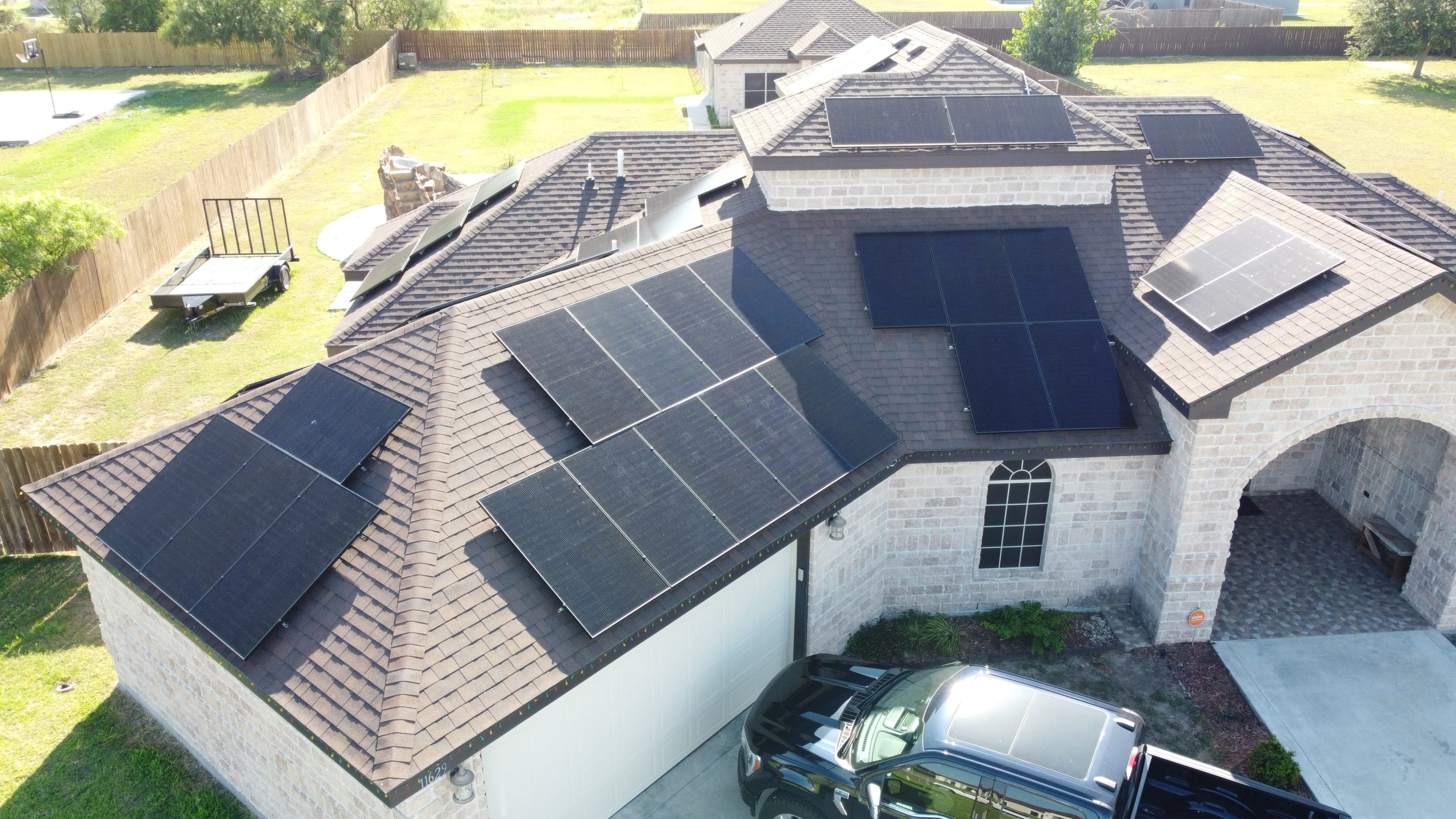
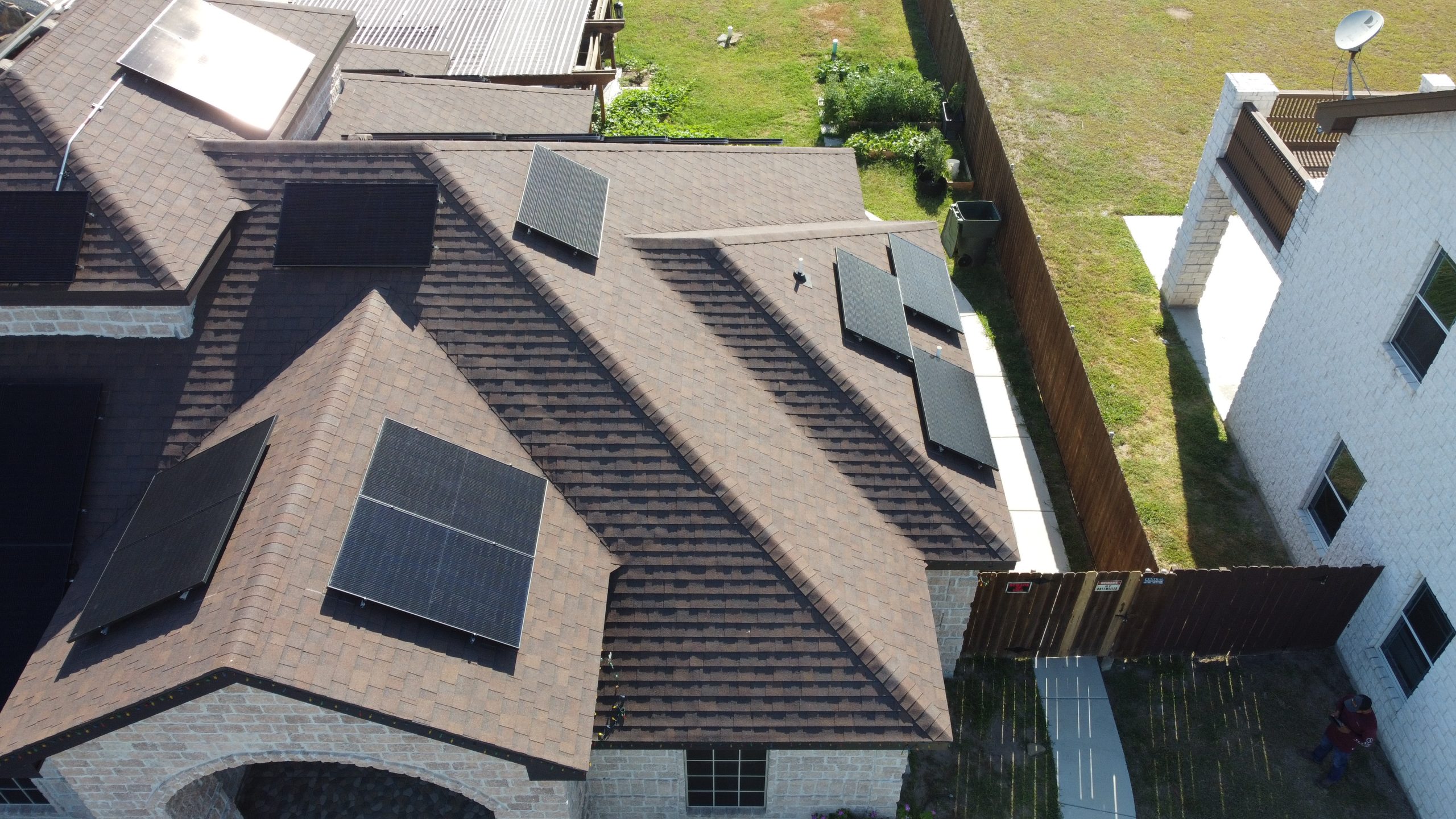
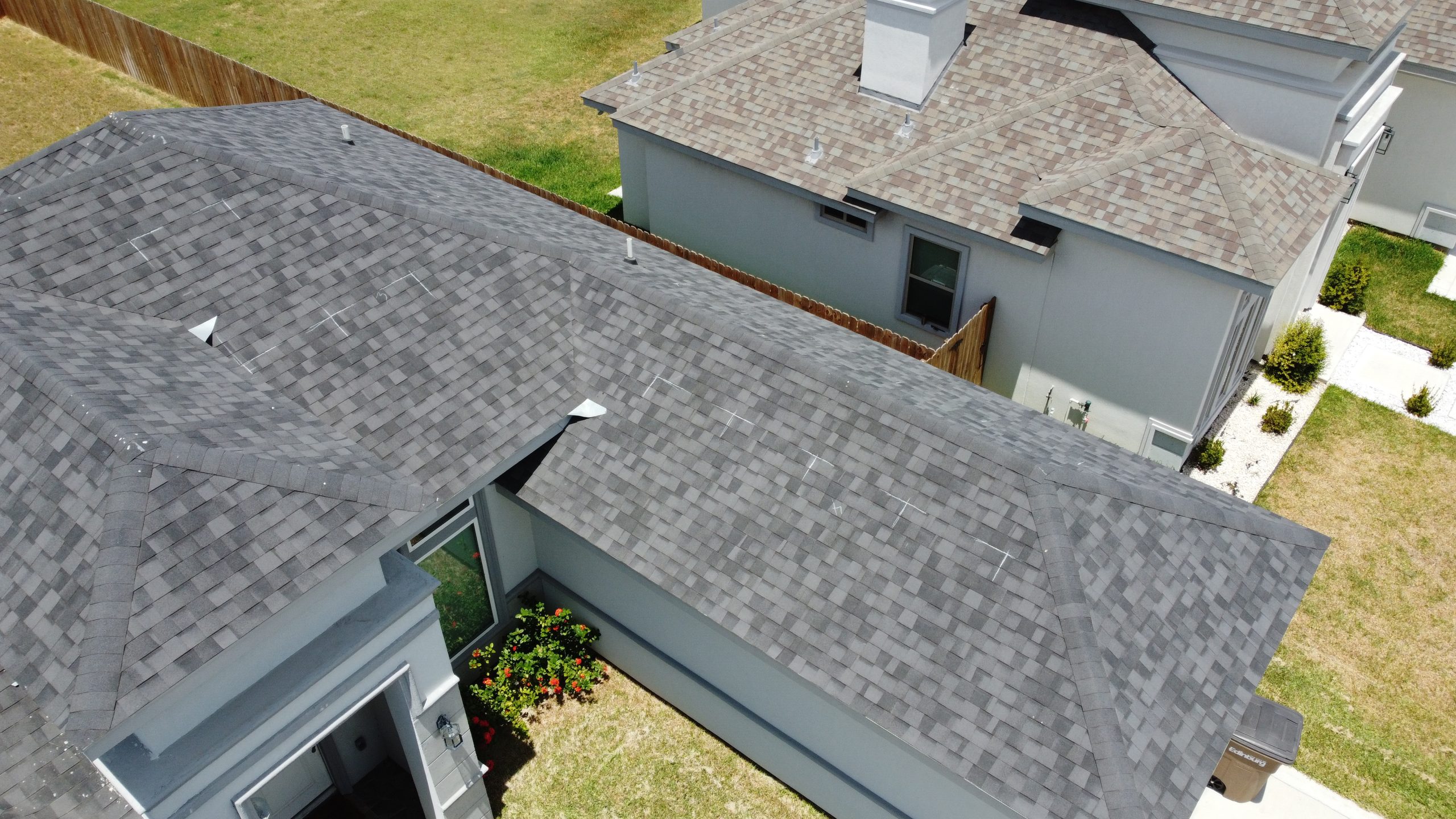
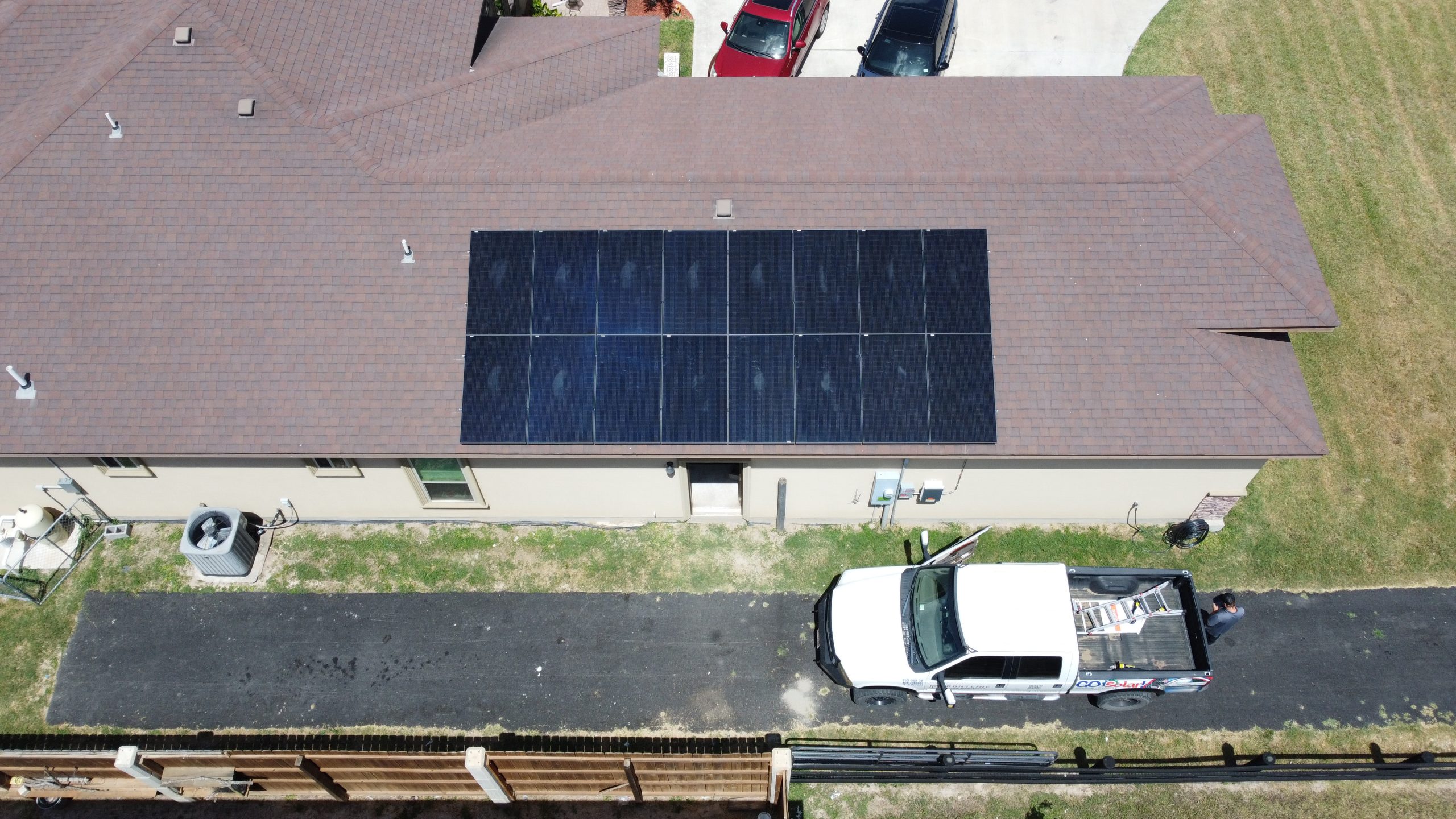
The Roof Installation Process
Once planning is complete, installation follows a structured sequence. Each step builds on the one before it. When one part is rushed or overlooked, it affects everything that comes after, which is why we stick to a disciplined, step-by-step approach from start to finish.
Surface preparation
We make sure the surface is clean, stable, and ready for installation. Any debris, moisture, or damage is addressed first. Skipping this step weakens everything that follows. A properly prepared surface allows materials to bond correctly and helps prevent early failure caused by trapped moisture or uneven support.
Insulation and base layers
We install insulation to regulate temperature and improve energy efficiency. It also creates a smooth foundation for the roofing system. Proper alignment here is critical, gaps or uneven sections can cause long-term issues.
Membrane or roofing material installation
This is the core layer of the system. Depending on the material:
- TPO and EPDM are rolled out and heat-welded or adhered
- Metal panels are fastened and sealed at joints
- Modified bitumen is applied in layered sheets for durability
Every seam is a potential weak point, so precision matters more than speed.
Detailing around penetrations
Most leaks don’t start in open roof areas. They start around edges, vents, skylights.
We carefully seal and reinforce these areas to prevent water intrusion under stress from heat and movement.
Drainage integration
A properly installed roof doesn’t just cover a building, it manages water. We ensure drains, scuppers, and slope design work together so water moves off the surface instead of pooling.
Final inspection and quality check
Once installation is complete, we inspect the entire system. Seams are tested, edges are reviewed, and drainage is verified. Nothing gets left to chance.
Common Mistakes in Roof Installation
A lot of roofing problems trace back to avoidable mistakes made during installation:
- Rushed seam work leads to weak seals and early leaks
- Ignoring drainage design causes standing water and long-term damage
- Wrong material choice fails faster under heat and UV exposure
- Poor flashing details allow water entry at vulnerable roof edges
- Inconsistent workmanship creates weak zones across the roofing system
- Skipping surface preparation prevents proper bonding and reduces durability
- Improper insulation placement leads to energy loss and moisture buildup
- Weak fastening methods cause movement and structural instability over time
- Overlooking penetration sealing results in hidden leaks around vents
- Lack of final inspection allows small issues to become major problems
These issues don’t always show up immediately. They develop over time.
Benefits of a Proper Roof Installation
A well-installed commercial roof delivers long-term advantages:
Energy savings
Proper insulation and reflective materials reduce cooling costs significantly in hot climates. This keeps indoor temperatures more stable and reduces the overall strain on HVAC systems throughout the year.
Fewer repairs
When we install correctly, there are fewer weak points that need ongoing fixes. That means less disruption to daily operations and fewer unexpected maintenance costs over time.
Longer roof lifespan
A properly installed system performs closer to its expected service life. It resists wear more effectively and avoids premature failures that often come from poor workmanship or shortcuts.
Better building protection
Equipment, inventory, and interior spaces stay protected from weather damage. A solid roofing system prevents water intrusion, mold issues, and structural weakening inside the building.
Improved property value
A reliable roof adds long-term value and reduces risk for owners. It also makes the property more attractive to tenants, buyers, and investors looking for low-maintenance assets.
Flat Roof Systems Comparison
| Situation | Repair | Replacement |
|---|---|---|
| Extent of damage | Damage is limited to small, isolated areas | Damage is widespread across multiple sections |
| Roof age | Relatively new with years of life remaining | Nearing or past expected lifespan |
| Leak frequency | Occasional or first-time leaks | Recurring leaks in different areas |
| Installation quality | Mostly sound with minor correctable issues | Major flaws affecting overall performance |
| Insulation condition | Insulation remains dry and intact | Moisture has spread beneath large sections |
| Cost over time | Lower short-term cost with lasting results | Repairs keep adding up with no long-term fix |
| Performance | Roof still performs well overall | Declining performance and efficiency issues |
| Downtime impact | Minimal disruption during targeted repairs | Ongoing disruptions due to repeated issues |
| Long-term value | Extends life without major investment | Better investment for long-term reliability |
| Recommendation | Best for stabilizing and extending current system | Best for resetting the system completely |
Where We Work
We’re a trusted commercial roofing company with a strong regional presence.
Our crews operate throughout South and Central Texas, proudly serving business owners, property managers, and commercial facilities with dependable, large-scale roofing solutions.
Areas We Serve Across south & central Texas
From McAllen to Corpus Christi, Frontline Commercial Roofing is your go-to expert for reliable commercial roof installations, repairs, and replacements across the region—delivering performance, durability, and long-term protection for every property we serve.
Why Professional Installation Matters
Roof installation isn’t just manual work, it’s technical. Small decisions made during the process affect the entire lifespan of the system.
A strong installation team should:
- Understand multiple commercial roofing systems
- Plan for climate-specific challenges
- Focus on long-term performance, not speed
- Follow strict installation standards
- Inspect work at every stage
That’s the standard we hold ourselves to at Frontline Commercial.
Frequently Asked Questions
Answers to the Most Common Questions About Commercial Roofing in South and Central Texas
How long does a commercial roof installation usually take?
Most projects take anywhere from a few days to a couple of weeks, depending on the size of the building, weather conditions, and the type of roofing system being installed. Larger or more complex buildings may take longer due to detailed planning, safety measures, and coordination with ongoing business operations.
What is the best roofing system for hot climates?
Systems like TPO and metal roofing perform well in high heat because they reflect sunlight and resist UV damage, helping keep buildings cooler and more energy efficient. Choosing the right system also depends on building use, insulation needs, and long-term maintenance expectations in extreme weather conditions.
Can a new roof be installed over an existing one?
In some cases, yes. If the existing roof is structurally sound, an overlay may be possible. However, a full inspection is needed to determine if that’s the right option. Hidden moisture, trapped heat, or structural concerns can make a full replacement the safer long-term choice.
How do I know if I need a new installation instead of repairs?
- Widespread damage across multiple sections of the roof
- Recurring leaks that keep coming back after repairs
- Roof is near or past its expected lifespan
- Repair costs are increasing without long-term results
- Signs of moisture trapped beneath the roofing system
- Noticeable decline in overall roof performance and efficiency
If you’re seeing several of these at once, a full installation is usually the more reliable and cost-effective long-term solution.
Making the Right Roofing Decision
Choosing between repair and full roof installation comes down to long-term thinking, not quick fixes. A roof that keeps breaking down or showing new issues is usually signaling a deeper problem that patchwork solutions can’t solve. On the other hand, a well-planned installation gives us stability, better performance, and fewer surprises down the line. The right decision depends on the condition of the existing system, how often issues are showing up, and what makes sense financially over time—not just upfront cost.
At Frontline Commercial, we take a close look at the roof first, explain what’s actually going on, and guide you toward the option that makes sense for your building, not just today, but years ahead.