
Professional Roof Inspection for Commercial Properties
A roof doesn’t fail out of nowhere. It sends signals first. Small leaks. Slight staining. A section that just doesn’t look right anymore. Most of the time, the problem isn’t what you can see, it’s what’s building underneath it.
That’s where a proper roof inspection matters.
We inspect commercial roofs to understand what’s actually going on before small issues turn into expensive damage. The goal is simple: catch problems early, understand the condition honestly, and give you a clear picture of what comes next, nothing more, nothing less.
Get A Free Quote
Why Roofs Need Regular Inspection
A commercial roof is constantly under pressure. Sun, rain, wind, temperature shifts it all adds up. Even a strong system slowly changes over time. Here’s what usually makes inspections necessary:
Normal aging of materials
Every roofing system has a natural lifespan. As it gets older, small weaknesses start showing up more often. What used to be solid begins to break down in subtle ways that are easy to miss without a close look.
Weather exposure year-round
Storms, heat, and heavy rain gradually wear down seams, flashing, and surface layers. Even if everything looks fine from the ground, the surface can tell a different story up close.
often find early-stage damage only visible during close inspection, especially after seasonal storms and repeated temperature cycling throughout the year.
Small issues turning into bigger ones
A minor leak or lifted seam doesn’t stay minor for long. Water has a way of spreading inside the system, creating damage you won’t notice right away.
This progression often leads to hidden insulation damage and accelerated material breakdown if not addressed promptly through routine professional evaluation.
After-repair verification
Once repairs are done, inspections help confirm whether the fix actually solved the issue or just covered part of it.
We verify performance under real conditions to ensure no recurring issues remain and that repairs fully restore system integrity completely.
Preventive maintenance planning
Sometimes there are no visible problems yet. That’s the best time to inspect before anything starts leaking or failing.
This proactive approach helps property owners avoid costly emergencies and extend overall roof lifespan through consistent scheduled evaluations over time.
Signs Your Roof Should Be Inspected
Most roof issues start quietly. You don’t always get a clear warning. But there are patterns we look for:
- Water stains on ceilings or upper walls
- Small or occasional leaks during rain
- Blisters, bubbles, or uneven roof surfaces
- Loose or damaged flashing around edges and penetrations
- Debris buildup blocking drainage paths
- Higher-than-normal energy bills without explanation
- Sections of the roof looking worn faster than others
If even a couple of these show up, it’s worth taking a closer look. Waiting usually makes the problem harder and more expensive to fix.
What a Roof Inspection Involves
We don’t just walk on the roof and take a quick glance. A proper inspection is structured and detailed.
Full surface evaluation
We check the entire roofing area to understand general condition, wear patterns, and visible damage.
This step also helps us map problem zones, identify early deterioration, and understand how the roof is aging as a complete system over time.
Seam and flashing review
Most leaks start at the details. We closely inspect seams, joints, edges, and anything that penetrates the roof surface.
These transition points are usually the first to fail, so we focus on spotting separation, cracking, or weak sealing before water finds a way in.
Drainage check
Standing water is a warning sign. We look at how water moves across the roof and where it might be getting trapped.
Proper drainage is critical because even small pooling areas can slowly weaken materials and shorten the overall lifespan of the system.
Material condition assessment
Different roofing systems age differently. We evaluate membrane condition, coating wear, and any signs of breakdown.
This helps us understand whether the roof is still performing as intended or slowly losing its protective capability under daily exposure.
Moisture and hidden damage checks
Some problems sit beneath the surface. When needed, we identify areas where water may be trapped inside insulation layers.
These hidden issues are often the most damaging because they spread quietly, weakening structure long before anything becomes visible from above.
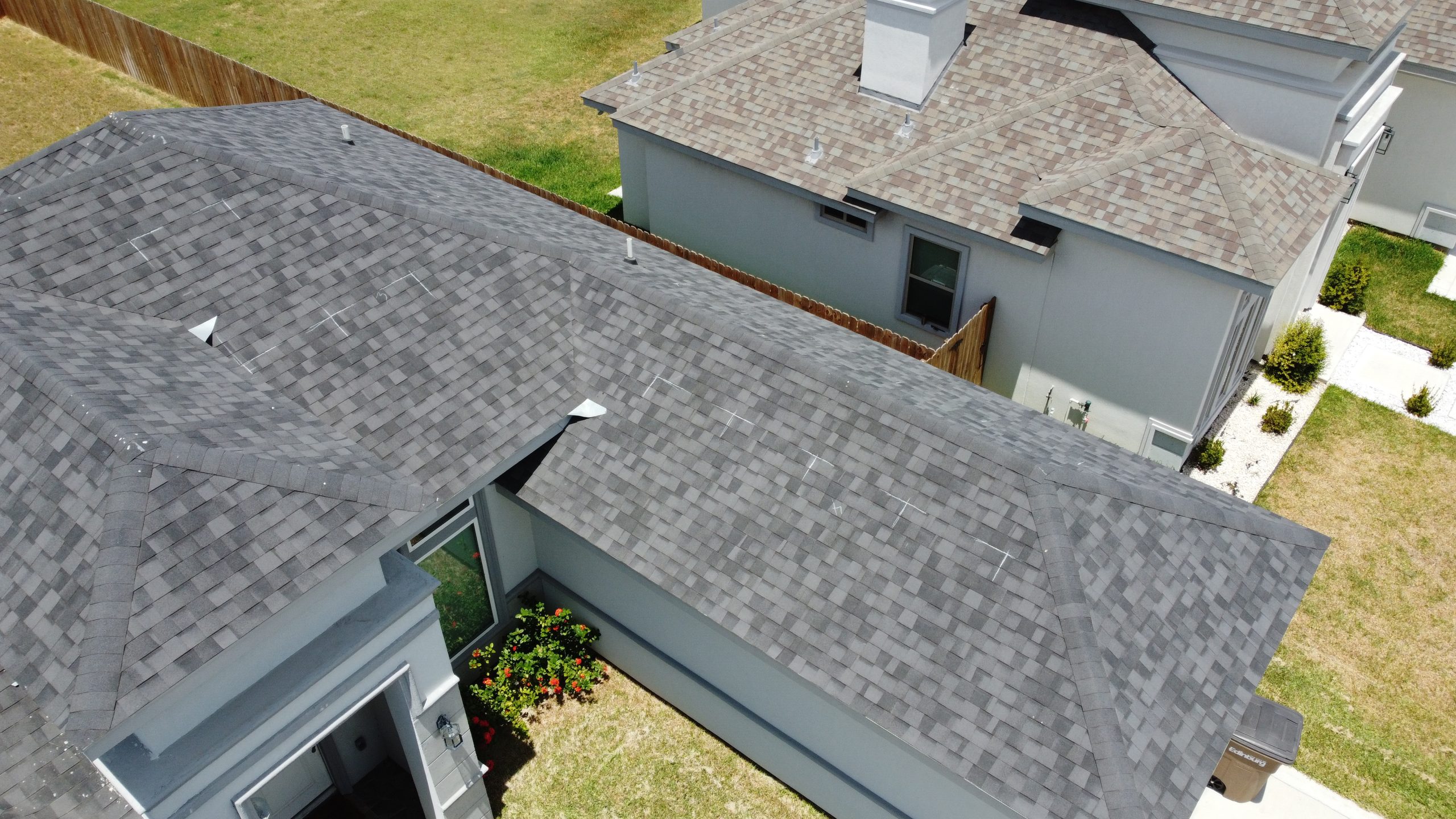
Photo documentation and reporting
We document what we find clearly so you’re not guessing. You’ll know what’s urgent, what’s stable, and what to watch.
Types of Roof Inspections We Perform
Not every inspection is the same. The approach depends on what you need.
Routine inspections
Regular checkups to track roof condition over time and catch early signs of wear.
These scheduled visits help build a clear picture of how the roof is aging, making it easier to plan maintenance instead of reacting to emergencies.
Leak-focused inspections
Used when there’s an active leak and the source isn’t obvious. We trace the issue back to its origin.This involves following water paths, checking weak points, and identifying how moisture is entering the system rather than just where it shows inside.
Storm damage inspections
After heavy wind or rain, we assess whether the roof structure has been affected, even if damage isn’t immediately visible.We look for lifted materials, punctures, and hidden stress points that storms often create without leaving obvious surface signs right away.
Pre-purchase inspections
Before buying or leasing a commercial property, we evaluate roof condition so you know what you’re stepping into.
This helps reveal upcoming repair costs, system lifespan, and whether the roof will need attention soon after acquisition.
Preventive maintenance inspections
For property managers who want to avoid surprises and plan repairs in advance. These inspections focus on long-term control, helping you stay ahead of wear and extend the roof’s usable life with fewer unexpected issues.
Benefits of Roof Inspection
- Helps catch small issues before they turn into major repairs
- Extends the lifespan of the roofing system
- Reduces unexpected repair costs
- Improves long-term building performance
- Supports better budgeting and maintenance planning
- Identifies hidden moisture or structural concerns early
- Helps maintain energy efficiency
- Gives a clear understanding of roof condition at any point in time

Where We Work
We’re a trusted commercial roofing company with a strong regional presence.
Our crews operate throughout South and Central Texas, proudly serving business owners, property managers, and commercial facilities with dependable, large-scale roofing solutions.
Areas We Serve Across south & central Texas
From McAllen to Corpus Christi, Frontline Commercial Roofing is your go-to expert for reliable commercial roof installations, repairs, and replacements across the region—delivering performance, durability, and long-term protection for every property we serve.
Why Work With a Professional Inspection Team
A roof inspection isn’t just about spotting damage, it’s about understanding what that damage means.
We approach inspections with that mindset.
We don’t rush through it. We don’t rely on surface-level checks. We look at how the entire system is
performing together, not just isolated spots.
You get straight answers: what’s fine, what’s failing, and what needs attention now versus later. No confusion, no guesswork.
Frequently Asked Questions
Answers to the Most Common Questions About Commercial Roofing in South and Central Texas
How often should a commercial roof be inspected?
Most commercial roofs should be inspected at least twice a year, plus after major storms. Regular checks help catch issues early before they spread.
This schedule also helps track gradual wear over time, so small changes don’t turn into costly repairs or unexpected failures later.
Can an inspection find hidden leaks?
Yes. Many leaks start below the surface. We look for moisture patterns, insulation damage, and entry points that aren’t visible from above.
By tracing how water moves through the system, we can locate the true source instead of just reacting to surface symptoms inside the building.
Do I need an inspection if there are no visible problems?
Yes. Most roofing issues start silently. By the time you see damage inside the building, the problem has usually been there for a while.
A clean-looking roof can still have developing issues underneath, which is why early checks matter even when everything seems fine.
How long does a roof inspection take?
It depends on roof size and condition, but most commercial inspections are completed within a few hours.
Larger or more complex roofs may take longer, especially when detailed moisture checks or documentation are needed.
Contact Frontline Commercial Today
If you’re unsure about your roof’s condition, that uncertainty alone is usually reason enough to check it.
We provide detailed commercial roof inspections that give you a clear understanding of what’s happening above your building before small issues turn into bigger problems.
Reach out to schedule an inspection and get a straightforward read on where your roof actually stands.