
Roof Coatings to Extend and Protect Your Commercial Roof
A commercial roof doesn’t always need to be replaced when it starts showing wear. In many cases, the structure is still solid, it just needs a stronger protective layer on top.
That’s where roof coatings come in.
Instead of tearing everything off, coatings restore and reinforce the existing roof surface. Think of it as adding a durable shield that helps the roof resist water, heat, and everyday wear so it can keep performing without constant repairs.
We use coatings as a way to extend roof life, stabilize performance, and reduce long-term maintenance costs when the base system is still in good shape.
Get A Free Quote
Why Roof Coatings Are Used
Roof coatings aren’t a quick cosmetic fix. We use them when a roof is still structurally sound but starting to lose efficiency or protection. The goal is to reinforce what’s already working instead of pushing for replacement too early. At Frontline Commercial, we always focus on practical solutions that extend roof life while controlling long-term costs. Here’s what usually leads us to recommend a coating:
Aging roof surface
Over time, membranes and materials begin to dry out, crack slightly, or lose flexibility. The roof may still function, but it’s no longer performing at its best. We often see early surface wear slowly reducing waterproofing strength and overall reliability.
Recurring minor leaks
When leaks are small and spread out, we use coatings to help seal vulnerable areas and stop further water intrusion across the surface. This helps prevent multiple weak spots from turning into a larger system-wide issue.
UV and heat damage
Constant sun exposure breaks down roofing materials. We apply coatings that reflect sunlight and reduce surface temperature stress, slowing down deterioration. This helps extend the usable life of the roof under harsh weather conditions.
Rising repair frequency
If maintenance is becoming more frequent but the roof isn’t fully failing yet, coating allows us to stabilize the system and reduce the need for constant patchwork. It helps bring the roof back to a more predictable condition.
Energy efficiency concerns
A worn roof often absorbs more heat, which forces cooling systems to work harder. We use reflective coatings to reduce that heat load, helping improve indoor comfort and easing unnecessary energy strain on the building.
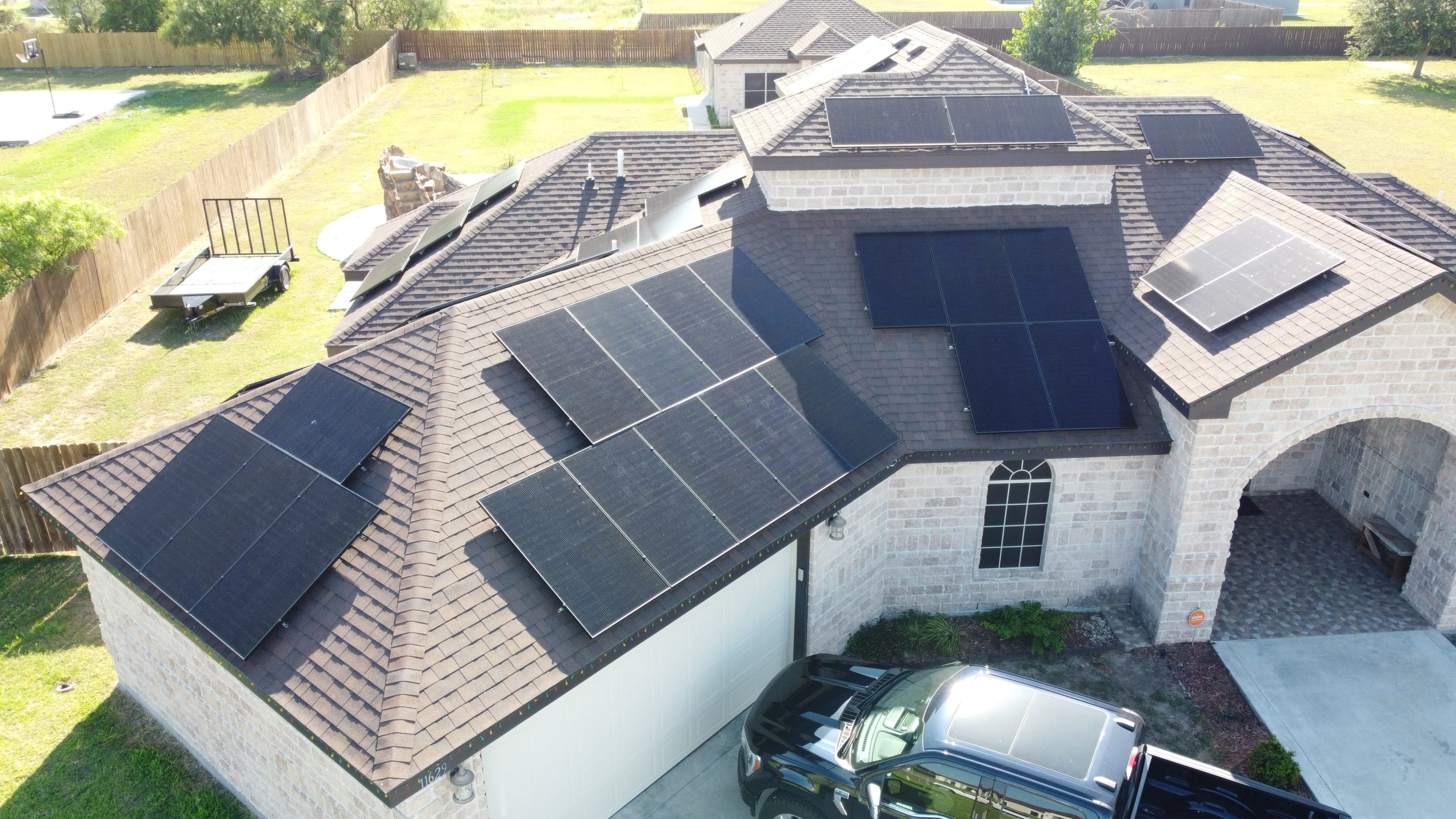
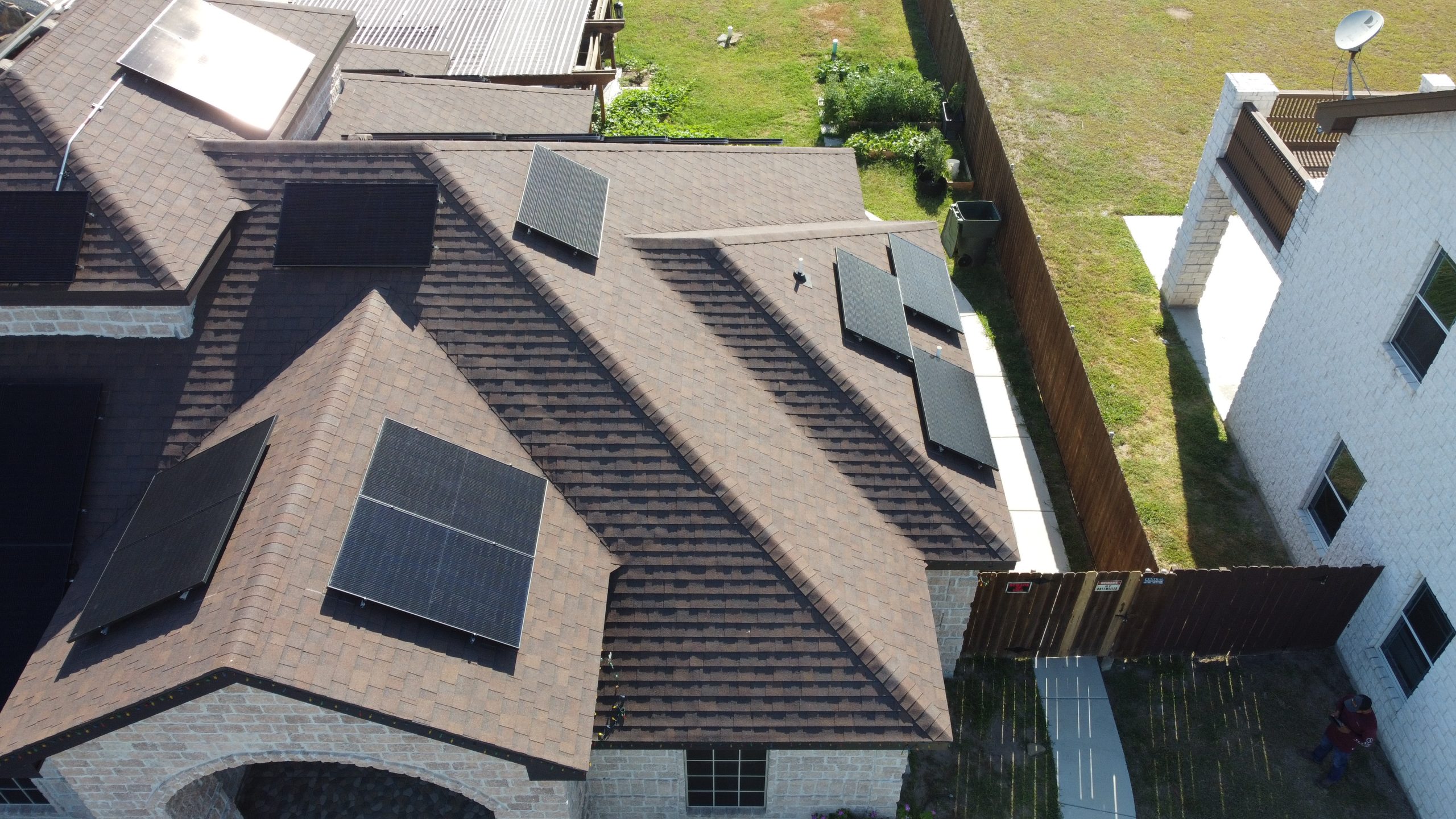
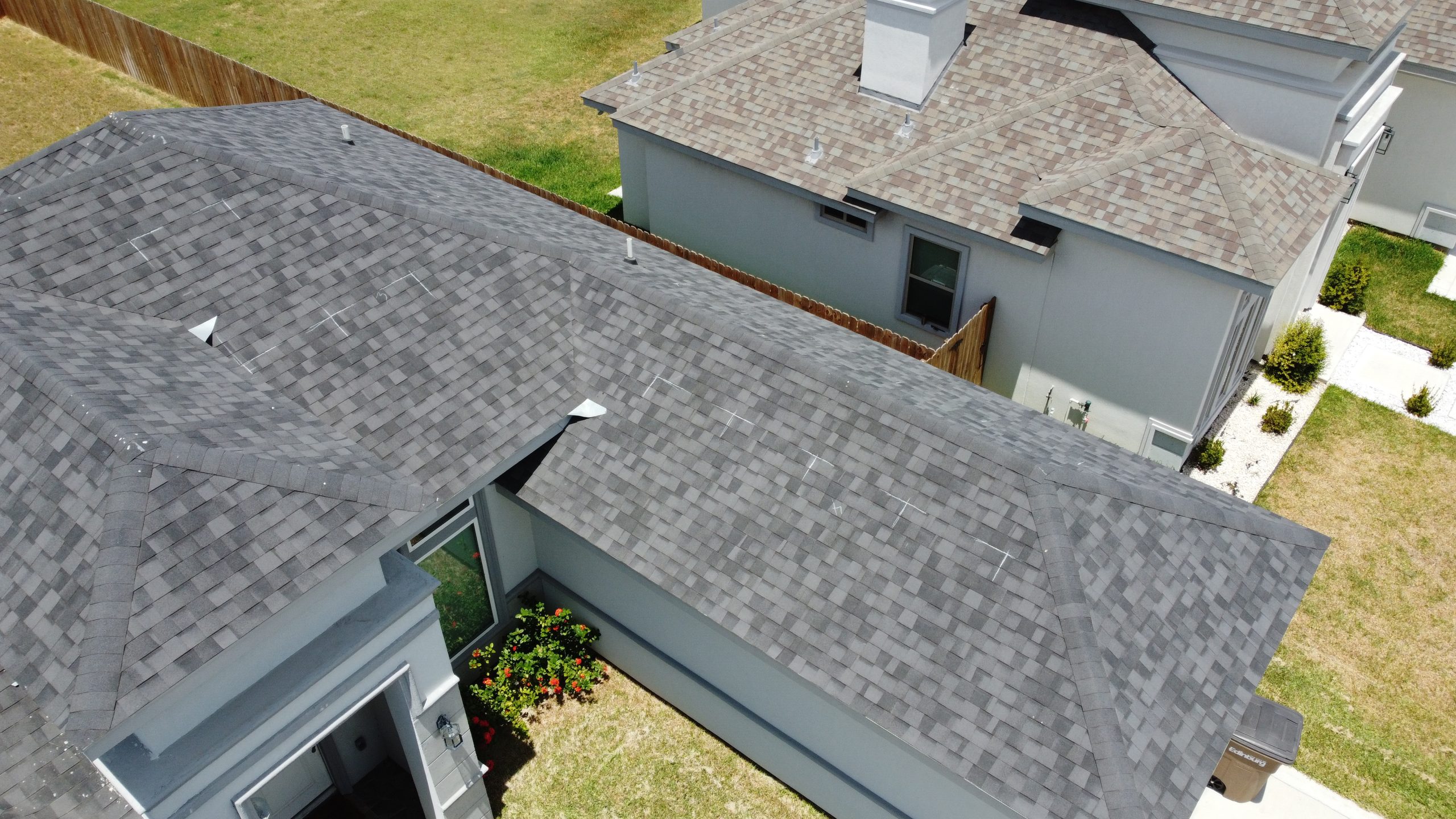
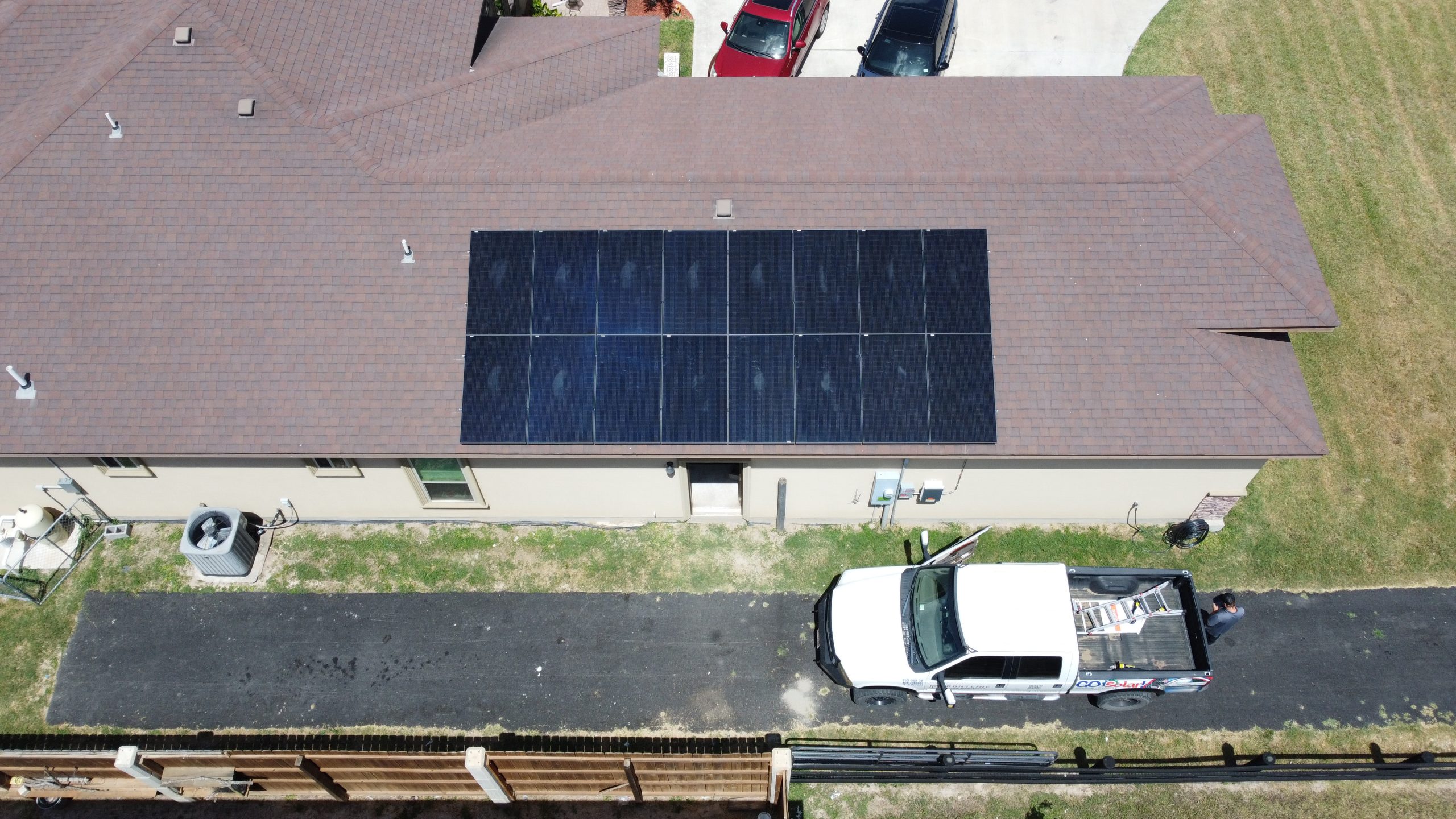
Signs Your Roof May Be a Good Candidate for Coating
Not every roof qualifies for coating. It depends on the condition. Here’s what we usually look for at Frontline Commercial, where we focus on practical, long-term roofing solutions instead of unnecessary work or short-term fixes that don’t last:
- The roof structure is sound with only minor surface wear
- Minor leaks appear occasionally but are not widespread or severe
- No major wet insulation or deep structural damage detected underneath
- Existing membrane remains bonded well without widespread separation issues present
- Drainage still works but shows signs of slowing or minor blockage
- Roof is aging but not yet at replacement-level deterioration stage overall
- Surface shows fading, cracking, or minor weathering without structural failure
- Seams and edges remain mostly intact with limited localized weakness areas
- No significant sagging or structural deformation visible across roof sections
- Previous repairs are holding but showing early signs of stress
- Moisture readings indicate limited intrusion without widespread internal saturation issues
- Overall system still performs but needs protective reinforcement for longevity
When a few of these appear together, it usually points to a system that needs closer evaluation.
What Roof Coating Involves
Applying a roof coating isn’t just rolling on a layer of material. It’s a process that prepares, restores, and seals the entire surface properly. At Frontline Commercial, we treat it as a structured system designed to improve durability, performance, and long-term protection without cutting corners or skipping essential steps.
Roof evaluation
We start by checking the roof condition to confirm it’s suitable for coating. If the base is too damaged, coating won’t hold long-term.
Surface cleaning and prep
The roof has to be cleaned thoroughly. Dirt, loose material, and contaminants are removed so the coating can bond properly.
Repair of weak areas
Small cracks, seams, and problem spots are reinforced before coating begins. This step ensures the system underneath is stable.
Application of coating system
The coating is applied evenly across the roof surface. Depending on the system, this may involve single or multiple layers designed for durability and waterproofing.
Detail reinforcement
Edges, joints, drains, and penetrations get extra attention since those are the most common failure points.
Final curing and inspection
Once applied, the coating is allowed to cure and is then checked for consistency, coverage, and performance readiness.
Types of Roof Coatings We Use
Different buildings need different coating systems. The choice depends on roof type, climate, and expected use. At Frontline Commercial, each coating system is matched to real site conditions so the roof performs properly over time, not just immediately after application.
Choosing the Right Roof Coating System
| Coating Type | Best Use Case | Key Strength |
|---|---|---|
| Acrylic | Sunny roofs with light ponding water | High reflectivity, energy savings |
| Silicone | Flat roofs with standing water | Strong waterproofing, moisture resistance |
| Polyurethane | High traffic or impact-prone roofs | Tough, durable surface protection |
| Asphalt-based | Older built-up roofing systems | Restores aging roof layers |
| Elastomeric | Expanding and contracting climates | Flexibility, crack resistance |
Benefits of Roof Coatings
- Extends the life of an existing roof system
- Reduces the need for costly full replacement
- Seals small leaks and weak points across the surface
- Improves energy efficiency through heat reflection
- Lowers long-term maintenance and repair frequency
- Adds an extra waterproof barrier to the roof
- Minimizes disruption to building operations during installation
- Helps stabilize aging roofing systems without major construction
- Improves overall building protection in changing weather conditions
Where We Work
We’re a trusted commercial roofing company with a strong regional presence.
Our crews operate throughout South and Central Texas, proudly serving business owners, property managers, and commercial facilities with dependable, large-scale roofing solutions.
Areas We Serve Across south & central Texas
From McAllen to Corpus Christi, Frontline Commercial Roofing is your go-to expert for reliable commercial roof installations, repairs, and replacements across the region—delivering performance, durability, and long-term protection for every property we serve.
Why Professional Roof Coating Matters
Roof coating only works when the surface underneath is properly prepared. If that step is rushed, the coating fails early. We treat it as a system, not just a surface application.
That means we don’t just apply material and leave. We evaluate the roof first, repair weak points, and make sure the coating has a stable base to bond with. The goal is long-term performance, not short-term appearance.
A good coating job should disappear into the background once it’s done it should just make the roof work better.
Frequently Asked Questions
Answers to the Most Common Questions About Commercial Roofing in South and Central Texas
How long does roof coating last?
Depending on the system used and roof conditions, coatings typically last several years and can often be reapplied to extend performance further. Lifespan also depends on maintenance, weather exposure, and overall roof condition over time.
Can any roof be coated?
No. The roof needs to be in stable condition. If there’s severe water damage or structural failure, coating won’t be effective. We always inspect first to confirm the surface is suitable before recommending any coating system.
Does roof coating stop leaks?
Yes, in many cases it seals minor leaks and prevents new ones from forming, as long as the underlying roof is still sound. It works best when applied before leaks become widespread or linked to deeper structural issues.
How long does installation take?
Most commercial roof coating projects are completed within a few days, depending on roof size and weather conditions. Preparation and curing time can also affect the overall timeline from start to finish.
Is coating better than replacement?
It depends on the roof. Coating is best when the structure is still good. Replacement is needed when the system is beyond repair. We evaluate both options carefully before suggesting the most practical long-term solution.
Get in Touch for Roof Coating Services
If your roof is aging but still structurally stable, coating can be a smart way to extend its life without the expense and disruption of full replacement. We help property owners make that call with clear, honest evaluations based on real roof conditions.
We provide commercial roof coating solutions designed to restore protection, improve energy efficiency, and reduce long-term maintenance pressure across the entire system. Every project is handled with careful preparation and application to ensure lasting performance.
Reach out to schedule an evaluation and see if your roof is a good candidate. We’ll inspect the condition, explain what we find in simple terms, and guide you on the most practical next step for your building.